
Music has a strange way of connecting people who never meet, speak different languages, or grow up on opposite sides of the world. Underneath every song, every soundtrack, and every worship hymn, there is a physical object doing the work of turning air, vibration, and human touch into emotion. That object is a musical instrument.
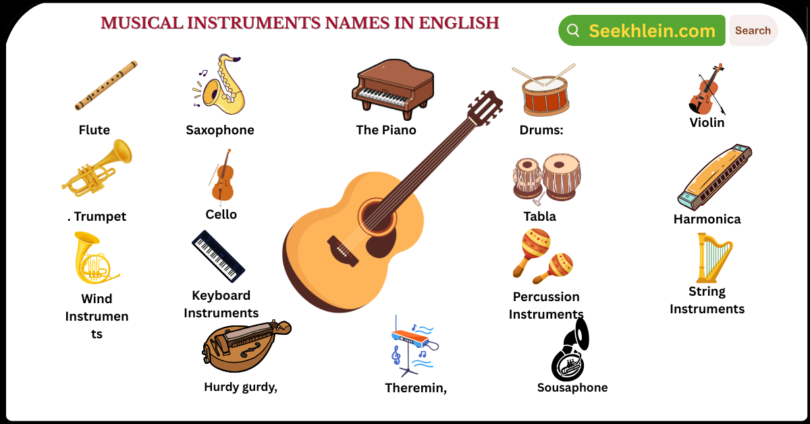
Whether you are a parent trying to pick the right first instrument for your child, a hobbyist thinking about picking up something new, or simply curious about how a violin differs from a cello, this guide breaks down the Musical Instruments Names in English explains the broader categories they belong to, and answers the questions people ask most often when starting their musical journey.
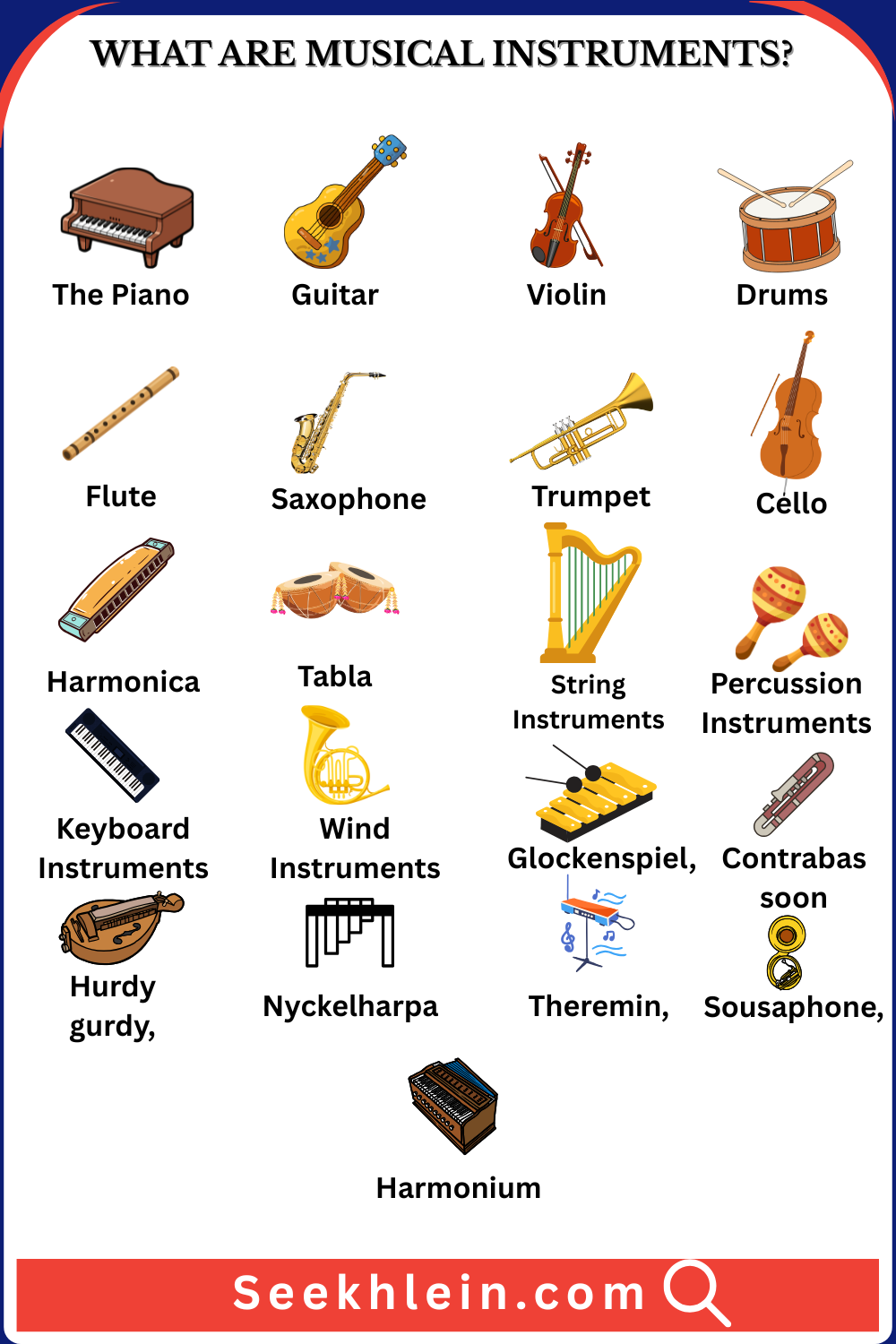
What Are Musical Instruments?
A musical instrument is any device built or adapted to produce musical sound. That sound can come from a vibrating string, a stretched skin, a column of air, or a set of keys connected to strings or electronics. Musicians and instrument makers usually sort instruments into four broad families based on how they create sound: string instruments, percussion instruments, wind instruments, and keyboard instruments.
Importance of Musical Instruments
Understanding these categories matters for more than trivia. It helps beginners choose an instrument that matches their personality, budget, and the kind of music they want to play. A restless, rhythm loving child might thrive on drums, while a patient learner drawn to melody might fall in love with the violin or flute. Knowing the types of musical instruments and how they work is the first real step toward choosing the right one.
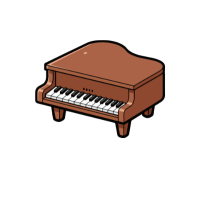
1. The Piano
Often called the mother of all instruments, the piano earns that title through sheer versatility. It belongs to the keyboard family, though technically it produces sound the way a string instrument does, since pressing a key causes a hammer to strike a string inside the body.
The piano appears in classical concertos, jazz standards, pop ballads, and film scores alike. Its layout makes music theory visually intuitive, which is why many teachers recommend it as a foundational instrument even for students who plan to switch to guitar, saxophone, or voice later. Learning piano builds coordination between both hands, trains the ear to recognize harmony, and strengthens reading of musical notation faster than most other instruments.
Digital pianos have made this instrument more accessible than ever. They take up less space, allow headphone practice, and often cost less than an acoustic upright, making them a popular choice for families and apartment dwellers.
2. Guitar
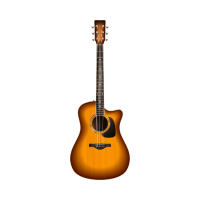
The guitar sits comfortably at the center of the modern music industry. It belongs to the string family and comes in three main varieties: acoustic, classical, and electric.
Acoustic guitars use steel strings and need no extra equipment, which makes them a favorite among beginners. Classical guitars use nylon strings, producing a softer tone that suits fingerstyle playing and traditional or Spanish repertoire. Electric guitars, paired with amplifiers and effects pedals, dominate rock, blues, metal, and much of modern pop.
Part of the guitar’s popularity comes from its portability and flexibility. It works as a solo instrument, a rhythm section anchor, or a lead voice, and a student can learn a handful of chords and start playing recognizable songs within weeks.
3. Violin
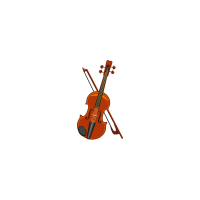
The violin has carried orchestras and chamber ensembles since the 1600s, and it remains one of the most widely played instruments on the planet. As a string instrument played with a bow, it produces an expressive, voice like tone that composers from Bach to Beethoven built entire symphonies around.
Beyond classical music, the violin shows up in bluegrass, country, folk traditions, and even jazz and rock through electric variations. Many teachers introduce it to children as young as three or four, since smaller sized violins exist for growing hands. Because there are no frets to guide finger placement, mastering the violin trains extraordinarily precise pitch control and ear training.
4. Drums (Percussion)
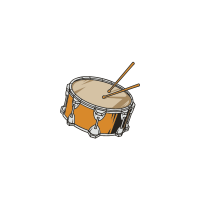
Drums provide the rhythmic backbone of nearly every modern genre, from rock and pop to funk, jazz, and metal. As percussion instruments, they produce sound by being struck, shaken, or scraped, and a standard drum kit combines several individual drums with cymbals to give a single player control over an entire rhythm section.
Acoustic drum kits remain the standard for live performance because of their dynamic range and natural resonance. Electronic kits have grown in popularity for home practice, since they allow headphone use and take up less physical space. Learning drums builds coordination, timing, and physical stamina, and many students find it an energetic, hands on entry point into music.
5. Flute
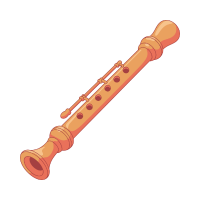
The flute belongs to the wind instrument family, more specifically the woodwind branch, even though modern flutes are usually made of metal. It produces sound when a player blows air across an opening, causing the air column inside the tube to vibrate.
Flutes are lightweight, easy to transport, and relatively simple to start learning compared to other wind instruments. They appear across classical orchestras, folk ensembles, film scores, and even pop and jazz arrangements. A well played flute has a soothing, breathy quality that makes it a favorite for both solo pieces and orchestral color.
6. Saxophone
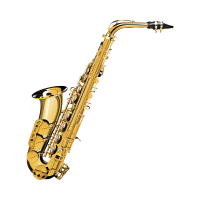
Invented by Adolphe Sax in the 1840s, the saxophone quickly became one of the most recognizable instruments in modern music. It is technically a woodwind instrument, using a reed to produce sound, despite its brass colored body.
The saxophone comes in several sizes, most commonly alto, tenor, and baritone, each offering a different tonal range. It is closely tied to jazz but shows up comfortably in blues, pop, rock, and classical settings too. Many music educators recommend the alto saxophone as the easiest entry point for beginners, thanks to its manageable size and moderate air requirements.
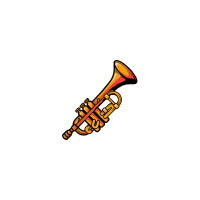
7. Trumpet
The trumpet is the standout voice of the brass family, known for its bright, powerful, and instantly recognizable sound. Unlike the saxophone’s many keys, the trumpet uses just three valves, with pitch shaped largely by lip tension and airflow through the mouthpiece.
You will find trumpets anchoring jazz combos, classical orchestras, marching bands, and mariachi ensembles. Other members of the brass family include the trombone, tuba, French horn, and cornet, all of which produce sound through vibrating lips against a metal mouthpiece. Learning trumpet takes patience early on, since embouchure control determines almost everything about tone and pitch, but the payoff is a commanding, expressive instrument.
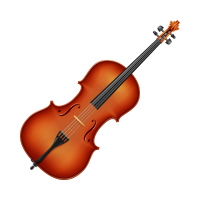
8. Cello
The cello offers some of the deepest, most soulful tones in the string family. Played upright with a bow, similar to a large violin, it fills the middle and lower registers in orchestras and string quartets, often carrying the emotional weight of a piece.
Cellos come in different sizes to accommodate younger players, and the instrument has found a growing audience outside classical music, appearing in film scores, fusion projects, and contemporary popular recordings. Its combination of warmth and range makes it one of the most versatile string instruments to learn.
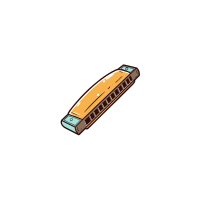
9. Harmonica
Small enough to fit in a pocket yet capable of remarkably expressive sound, the harmonica has long been a staple of blues, folk, and country music. Air blown or drawn through small reeds inside the instrument produces its distinctive tone, and a skilled player can bend notes to add emotional depth.
Because it requires no assembly, tuning, or accessories, the harmonica is one of the most accessible instruments a beginner can pick up. Its low cost and portability make it a popular first instrument for people who want to start making music immediately, without a long setup process.
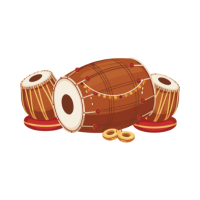
10. Tabla
The tabla represents one of the most important percussion instruments in Indian classical music. It consists of a pair of hand drums, a smaller wooden drum called the dayan and a larger metal one called the bayan, each producing a distinct pitch and tone.
Tabla players use their fingers and palms to strike precise areas of the drumhead, producing a wide vocabulary of sounds used to accompany classical ragas, devotional music, and modern fusion recordings. Learning tabla develops an acute sense of rhythm and timing, and its influence has spread well beyond Indian classical circles into world music and film scoring.
Types of Musical Instruments
Now that we have covered ten specific instruments, it helps to step back and look at the broader families they belong to. Musical instruments are generally grouped by how they produce sound, and understanding these groups makes it far easier to compare instruments and decide what suits your interests.
String Instruments
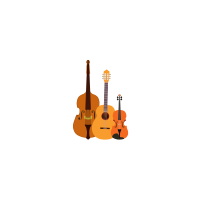
String instruments produce sound through vibrating strings, either plucked, strummed, or played with a bow. This family includes the guitar, violin, cello, harp, sitar, and ukulele. Some string instruments, like the guitar and harp, are played by hand, while others, like the violin and cello, rely on a bow drawn across the strings. String instruments tend to offer enormous expressive range, since pitch, tone, and dynamics can all be shaped by finger pressure, bowing technique, and playing style.
Percussion Instruments
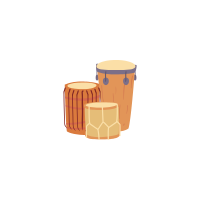
Percussion instruments are struck, shaken, or scraped to produce sound, and they form the rhythmic foundation of most musical genres. Drums, tabla, cymbals, xylophones, congas, and tambourines all fall into this family. Some percussion instruments, like the xylophone or timpani, can produce distinct pitches, while others, like the snare drum or cymbals, are primarily used for rhythm and texture rather than melody.
Keyboard Instruments
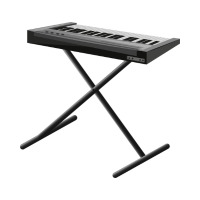
Keyboard instruments use a row of keys to trigger notes, whether through strings, air, or electronic circuitry. The piano, organ, harmonium, accordion, synthesizer, and harpsichord all belong here. Their visual layout, with notes arranged left to right in ascending pitch, makes them especially useful for teaching music theory and composition, since students can literally see the relationships between notes.
Wind Instruments
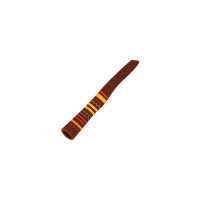
Wind instruments produce sound when a player blows air through or across the instrument, causing a column of air to vibrate. This family splits into woodwinds, such as the flute, clarinet, oboe, and saxophone, and brass instruments, such as the trumpet, trombone, tuba, and French horn. Woodwinds typically use a reed or an open air stream, while brass instruments rely on the vibration of the player’s lips against a mouthpiece.
Musical Instruments with Long Names
Not every instrument has a short, familiar name like piano or drum. Around the world, instrument builders and cultures have given rise to names that are longer, more technical, or borrowed from other languages. A few notable examples include:
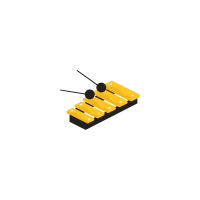
- Glockenspiel, a metal percussion instrument played with mallets, common in orchestras and marching bands.
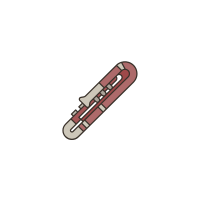
- Contrabassoon, the largest and lowest pitched member of the woodwind family.
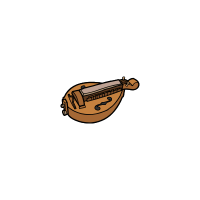
- Hurdy gurdy, a stringed instrument played by turning a hand crank instead of a bow.
- Nyckelharpa, a traditional Swedish keyed string instrument.
- Theremin, an early electronic instrument played without any physical contact.
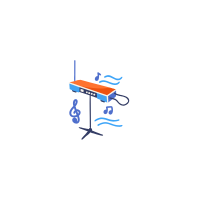
- Sousaphone, a large brass instrument designed for marching bands, named after composer John Philip Sousa.
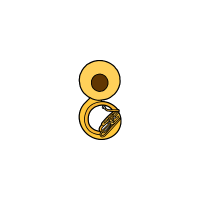
- Harmonium, a reed organ operated with hand pumped bellows.
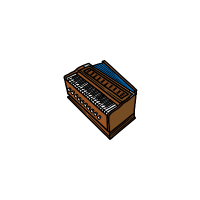
These names might sound intimidating at first, but each instrument follows the same basic principles as the more familiar ones on this list, whether that means vibrating strings, struck surfaces, or moving air.
Frequently Asked Questions
What is the easiest musical instrument to learn?
Many teachers consider the piano, ukulele, and harmonica among the easiest instruments for beginners, since they require minimal setup and offer quick early progress.
Which musical instrument is best for a young child?
The piano and violin are popular first choices for young children because smaller versions exist and both instruments build a strong musical foundation early on.
What are the four main types of musical instruments?
The four main types are string instruments, percussion instruments, wind instruments, and keyboard instruments, grouped by how each one produces sound.
Is the piano a string or a percussion instrument?
The piano is technically a string instrument, since hammers strike strings to create sound, though it is grouped with keyboard instruments because of how it is played.
Are there traditional instruments with unique cultural origins?
Yes, instruments such as the sitar from India, the bagpipes from Scotland, and the didgeridoo from Australia carry deep cultural roots and remain recognized worldwide for their distinctive sounds.
How long does it take to learn a musical instrument?
Basic proficiency on instruments like the ukulele or harmonica can take a few weeks, while instruments such as the violin or saxophone often take several months of consistent practice before a player feels comfortable.
Conclusion.
Choosing where to start does not need to be complicated. Think about the kind of music you love listening to, the amount of space and budget you have, and whether you are drawn to melody, rhythm, or harmony. Whichever instrument you choose, consistent practice and genuine curiosity will always matter more than the instrument itself.
Read more: