
Trees are among the most vital living organisms on Earth. They produce the oxygen we breathe, store carbon, support wildlife, and give structure to nearly every natural landscape on the planet. Whether you are a student, a gardener, a nature enthusiast, or someone curious about the world around you, understanding trees from the ground up gives you a deeper appreciation for the living world.
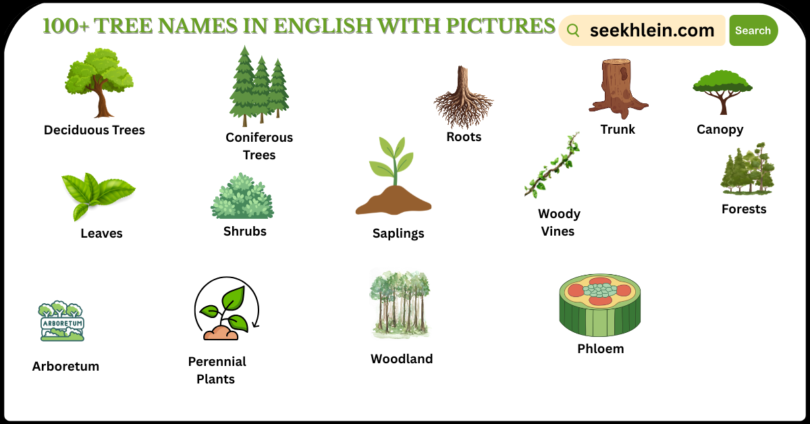
This guide 100+ Tree Names in English with Pictures covers everything you need to know about trees: what they are, the major types, their anatomy, ecological importance, nearby concepts in the plant kingdom, and the key terms you will encounter when reading or talking about them.
Trees Names in English with Pictures
What Is a Tree?
A tree is generally described as a perennial woody plant that develops along a single main trunk and reaches a height of at least 4.5 meters (about 15 feet) at maturity. This distinguishes it from shrubs, which typically grow shorter and spread across multiple stems.
Importance of Tree
The biosphere is deeply dependent on the metabolism, death, and recycling of trees. Their vast trunks and root systems store carbon dioxide, move water, and produce oxygen released into the atmosphere. The organic matter of the soil develops primarily from decayed leaves, twigs, branches, roots, and fallen trees, which recycle nitrogen, carbon, oxygen, and other essential nutrients.
Simply put, there are very few organisms as critical as trees for keeping Earth’s ecology intact.
Main Types of Trees
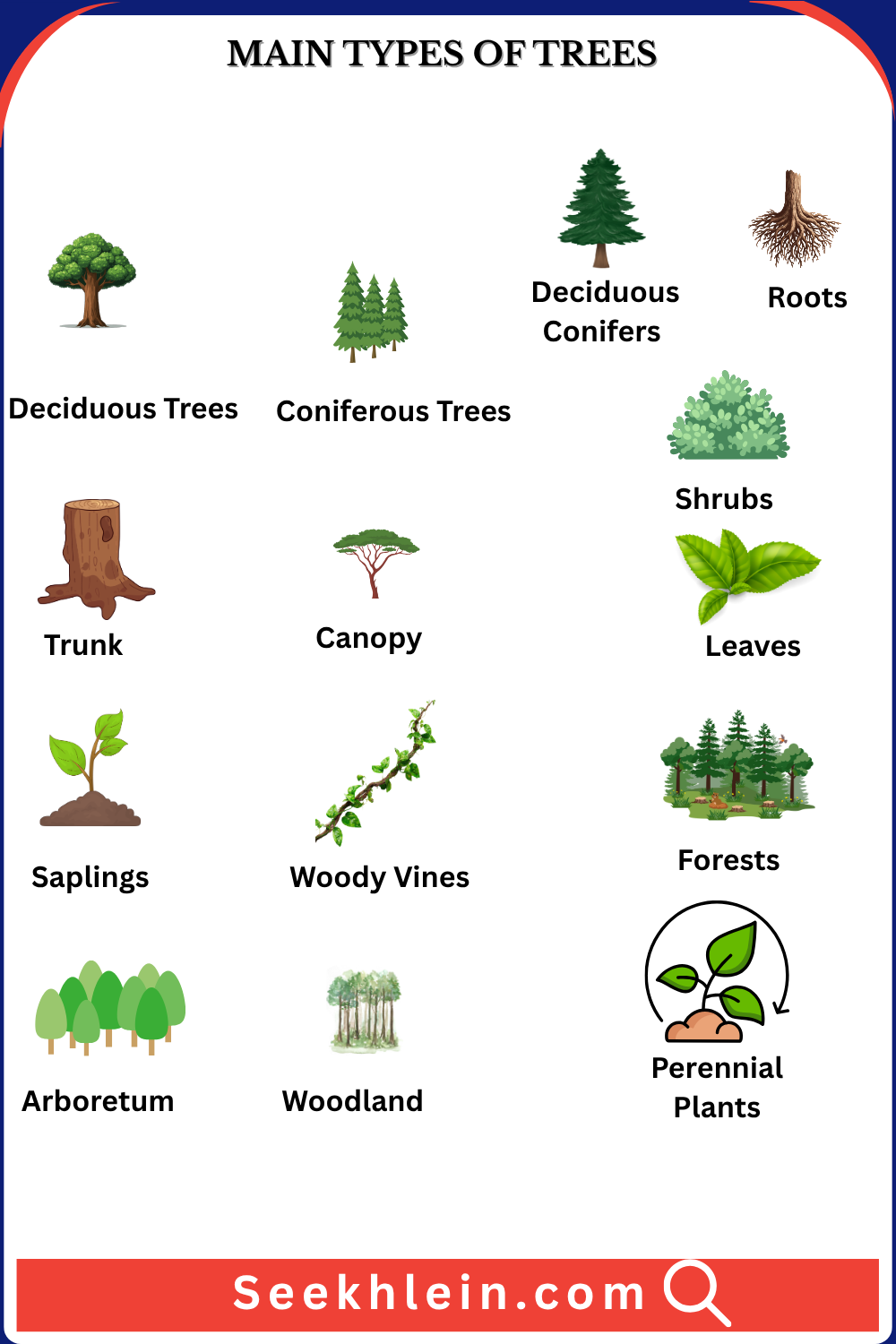
Trees are broadly divided into three categories based on their leaf behavior and reproductive structures.
| Type | Leaf Behavior | Examples | Climate |
| Deciduous | Sheds leaves in autumn | Oak, Maple, Birch, Cherry | Temperate regions |
| Coniferous | Retains needles year-round | Pine, Spruce, Fir, Cedar | Cold/northern climates |
| Evergreen | Retains foliage year-round | Magnolia, Holly, Rhododendron | Tropical/subtropical |
Deciduous Trees
Deciduous trees are known for their seasonal changes, shedding their leaves every autumn. Common species include oak, maple, birch, and cherry trees. These trees are celebrated for their colorful autumn foliage, which ranges from fiery reds to golden yellows before winter sets in.
The leaves of deciduous trees are commonly broad and flat, designed to take in as much sunlight as possible during the growing season. This makes deciduous trees the most efficient shade producers in summer.
Coniferous Trees
Coniferous trees are called “evergreens” because they retain their foliage year-round. They have thin needle-shaped or scaled leaves that allow them to withstand cold, harsh winters and are more common in colder regions such as Canada, Scandinavia, and parts of Russia.
Iconic conifers include pine, spruce, fir, and cedar trees. Their cones, which house seeds, are an identifying feature of coniferous trees and play a key role in reproduction.
A Special Case: Deciduous Conifers
Some trees blur the line between these categories. About 20 species straddle both worlds and are called deciduous conifers. These trees form cones and sprout needles like conifer trees, but they also change colors in the fall and lose their needles every year like deciduous trees. Larch, bald cypress, and dawn redwood are classic examples.
Anatomy of a Tree: Key Parts and Their Functions
Understanding how a tree is built helps explain how it survives, grows, and supports the ecosystems around it.
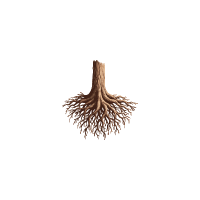
Roots
Roots become smaller as they grow outward from the root collar at the base of the trunk. Buttress roots right near the trunk help stabilize the tree. Small, ephemeral absorbing roots grow out of lateral roots, soaking up water, oxygen, and other nutrients from the soil.
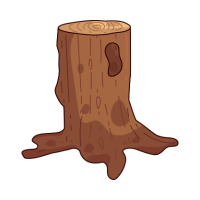
Trunk
The trunk holds up the canopy and serves as the main channel for moving water, nutrients, and sugars between the roots and leaves. A healthy trunk is made up of several key layers: outer bark protects the tree from physical damage, pests, and disease; phloem (inner bark) carries sugars and nutrients from the leaves down to the rest of the tree; cambium is the thin active layer of growth where new cells are produced; and xylem (sapwood and heartwood) moves water and minerals up from the roots.
Canopy
Through the leaves, the tree performs photosynthesis, converting sunlight into energy. It also manages water loss through transpiration and provides shade that helps regulate moisture levels. A dense, balanced canopy indicates a healthy root system and proper nutrient flow.

Leaves
Leaves are crucial for photosynthesis, the process by which trees convert sunlight, carbon dioxide, and water into glucose and oxygen, providing energy for growth. Each leaf has a blade (the flat part that captures sunlight) and a petiole (the stalk that connects the blade to the branch.

Why Trees Matter: Ecological and Human Importance
Trees do far more than look beautiful in a landscape. Their contributions touch nearly every aspect of life on Earth.
Environmental Benefits
- Trees slow surface runoff from rainfall, reducing flood risk, water pollution, and soil erosion.
- They improve overall air quality by absorbing particulate matter, create a cooling effect, and mitigate the heat island effect in urban areas.
- Trees capture and store atmospheric carbon dioxide, locking it up for centuries and playing a key role in climate change mitigation.
Biodiversity and Wildlife
Trees form the backbone of forest ecosystems. The world’s forests contain about 606 gigatonnes of living biomass above and below ground, along with 59 gigatonnes of dead wood. This biomass supports countless species of birds, insects, mammals, fungi, and plants that cannot survive without tree cover.
Human Uses
Trees provide timber for construction, pulp for paper, medicine from bark and leaves, food from fruits and nuts, and cultural significance in communities around the world. Urban trees also reduce home heating and cooling costs, making neighborhoods more energy-efficient.
Browse Nearby Entries
Trees sit within a rich family of botanical concepts. Here are some closely related plant categories worth exploring:
Shrubs
Woody plants similar to trees but smaller, typically under 3 meters, and growing with multiple stems rather than a single trunk.

Saplings
Young trees in the early stage of growth, past the seedling phase but not yet mature.

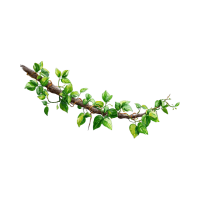
Woody Vines (Lianas)
Climbing woody plants that use trees for structural support. Common in tropical forests.
Perennial Plants
Long-lived plants that return season after season. Trees are the largest group of perennials.

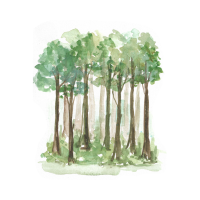
Forests
Large areas dominated by trees. A forest is a complex ecological system in which trees are the dominant life-form, and is nature’s most efficient ecosystem with a high rate of photosynthesis affecting both plant and animal systems.
Arboretum
A botanical garden dedicated to the cultivation and study of trees and woody plants.
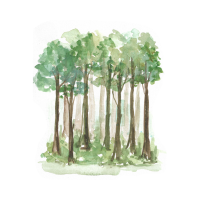
Woodland
An area with a lighter tree cover than a forest, allowing more light to reach the forest floor.These entries help place trees within the broader world of plant science and land ecology.
Related Terms of Trees
Whether you’re reading a field guide, studying for an exam, or speaking with an arborist, there are 100+ Tree Names in English with Pictures in this article to learn
| Term | Definition |
| Photosynthesis | The process by which plants make sugar from sunlight, water, and carbon dioxide, releasing oxygen as a byproduct. |
| Xylem | The tissue that transports water from the roots to the crown. Dead xylem tissue forms the heartwood used in timber. |
| Phloem | The tissue that transports sugars created by photosynthesis from the crown down to the roots. |
| Cambium | A thin layer of actively dividing cells between the bark and wood, responsible for the tree’s growth in diameter. |
| Canopy | The uppermost layer of tree branches and leaves that forms a roof-like cover in a forest or over a single tree. |
| Heartwood | The dense, darker core of a tree trunk made of dead xylem cells. It gives the trunk structural strength. |
| Sapwood | The lighter, outer wood layer that actively conducts water. It surrounds the heartwood. |
| Bark | The outermost protective layer of a tree trunk and branches, shielding against pests, disease, and physical damage. |
| Root System | The network of roots anchoring a tree to the soil while absorbing water and nutrients. |
| Transpiration | The process by which trees release water vapor through their leaves into the atmosphere. |
| Dendrology | The scientific study of trees, including their classification, identification, and ecology. |
| Arboriculture | The cultivation, management, and study of individual trees, often practiced by certified arborists. |
| Crown | The totality of a tree’s branches, twigs, and leaves above the trunk. |
| Girth | The measurement of a tree trunk’s circumference, often used to estimate age. |
| Annual Ring | A layer of wood grown each year, visible in cross-section. The width reflects growing conditions that year. |
| Lenticel | Tiny openings in bark that allow for gas exchange between the tree and the surrounding air. |
| Deciduous | Trees that shed all their leaves seasonally, typically in autumn, as part of their annual growth cycle. |
| Coniferous | Trees that bear cones and typically retain needle-like leaves throughout the year. |
| Perennial | A plant, including trees, that lives for more than two years and typically returns each growing season. |
| Biomass | The total mass of living biological material, including wood, leaves, and roots, within a tree or forest. |
FAQs About Trees
What is the difference between a tree and a shrub?
A tree grows on a single main trunk and typically reaches over 4.5 meters at maturity, while a shrub is a multi-stemmed woody plant that usually stays under 3 meters tall.
How do trees produce oxygen?
Trees produce oxygen through photosynthesis, absorbing carbon dioxide and water and using sunlight to convert them into glucose and oxygen, which is released into the air.
What are the three main parts of a tree?
The three main structural parts are the roots (which anchor and absorb nutrients), the trunk (which supports and transports), and the canopy or crown (which carries out photosynthesis).
What is the longest-living type of tree?
Bristlecone pines are among the oldest living trees on Earth, with some individuals exceeding 4,000 to 5,000 years in age.
Why do deciduous trees lose their leaves in autumn?
Deciduous trees shed their leaves to conserve water and energy during winter, when sunlight and temperatures are too low to support efficient photosynthesis.
What is the role of tree rings?
Every year, trees grow two annual rings. Scientists study these rings to determine a tree’s age and to understand past climate conditions through a field called dendrochronology.
Are all evergreen trees coniferous?
No. While most conifers are evergreen, not all evergreens are conifers. Some tropical broadleaf trees also retain their leaves year-round without producing cones.
Conclusion
Trees are far more than background scenery. They are living systems that anchor ecosystems, regulate climate, support biodiversity, and sustain human life in ways that most people rarely stop to consider. From the tight needles of a cold-climate pine to the sweeping canopy of a tropical hardwood, every tree plays a role that goes well beyond what the eye can see.
Understanding the basic types, anatomy, ecological value, and vocabulary surrounding trees gives you a stronger foundation for appreciating the natural world, whether you’re walking through a city park, managing a garden, or simply curious about the tallest organism you pass on your morning commute.
Read More;