
Walking into a barbershop without knowing what you want is one of the most common grooming mistakes men make. You sit down, the barber asks, “What are we doing today?” and suddenly your mind goes blank. The truth is, understanding the different types of men’s haircuts gives you a real edge, not just at the barber’s chair, but in how you carry yourself every day.
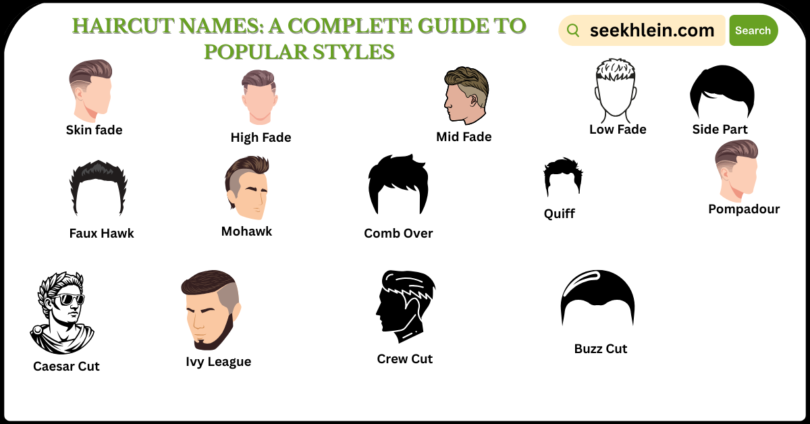
Haircut Names: A Complete Guide to Popular Styles: This breaks down every major haircut style, fade type, and maintenance tip you need to look sharp, feel confident, and actually communicate with your barber like you know what you’re talking about.
How to Choose the Right Haircut
Before picking a style, three factors determine what will actually work for you: your face shape, your hair texture, and how much time you realistically want to spend styling each morning. A great haircut works with your natural features, not against them.
Consider these key questions before your next appointment:
- What is my face shape (oval, round, square, oblong, heart, or diamond)?
- Is my hair thick, fine, straight, wavy, or curly?
- Do I want a low, medium, or high-maintenance style?
- Is my lifestyle more corporate, casual, or athletic?
Once you have honest answers, choosing the right cut becomes straightforward.
Quick Navigation
| Style | Best For | Maintenance |
| Buzz Cut | All face shapes | Very Low |
| Crew Cut | Round, Square | Low |
| Ivy League | Oval, Round, Square | Low to Medium |
| Caesar Cut | Oval, Round | Low |
| Pompadour | Oval, Heart | Medium to High |
| Quiff | Oval, Square | Medium |
| Comb Over | Most face shapes | Medium |
| Mohawk | Long, Oval | High |
| Faux Hawk | Oval, Square | Medium |
| Taper | All face shapes | Low to Medium |
| Side Part | Oval, Round | Low to Medium |
Types of Haircuts for Men
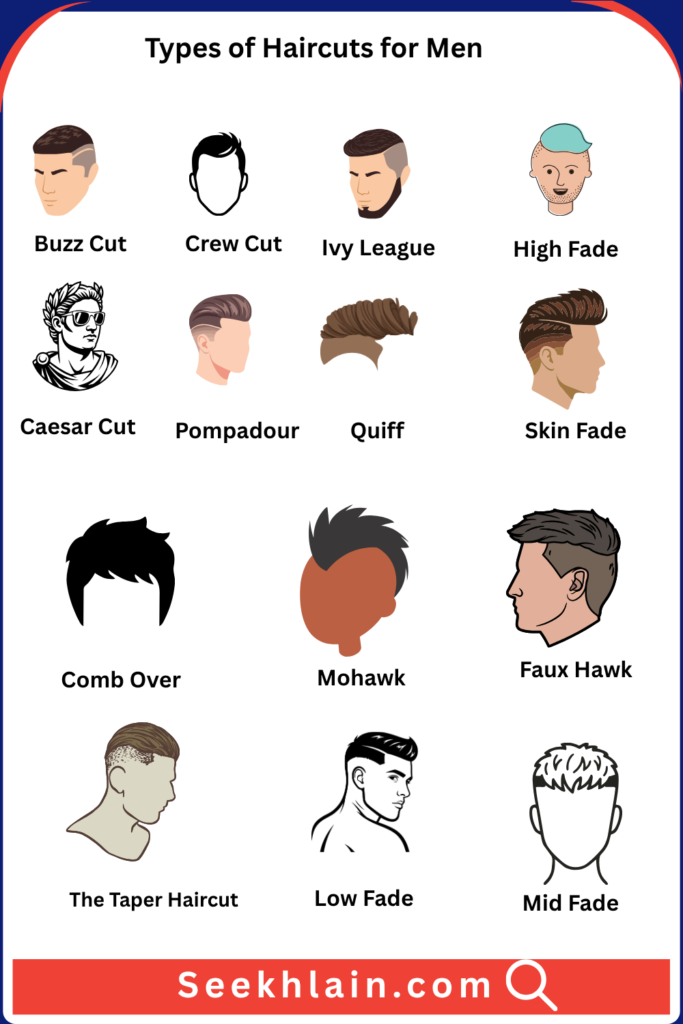
Buzz Cut
The buzz cut is one of the most recognised short haircuts for men. Clippers trim the entire head to a uniform length, usually between a number 1 and number 4 guard. It is clean, no-nonsense, and requires almost zero styling effort.
Originally popularised in the military, the buzz cut has remained a timeless choice because of how practical and versatile it is. Men with strong jawlines and well-defined facial features tend to wear it best, though it genuinely works across most face shapes.
Best for: All face shapes, especially oval and square.
Styling products needed: None or a light scalp moisturiser.
Why it works: It requires zero styling and gives a sharp, masculine look.
Crew Cut
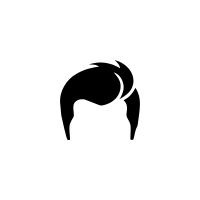
The crew cut is often described as the slightly grown-out version of the buzz cut. Hair on the sides is trimmed short and faded, while the top is left with just enough length to style forward or upward. It is one of those reliable men’s haircut styles that works in a boardroom as well as it does on a weekend.
Because the top has moderate length, you can create a subtle side part or comb it forward for a cleaner look. The crew cut is especially flattering on men with round or square faces because the extra volume on top adds visual height.
Best for: Round, square, and oval faces.
Styling products needed: Light pomade or matte clay.
Ivy League
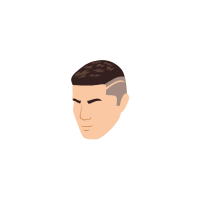
The Ivy League is essentially a longer crew cut with a more polished finish. The sides are short and tapered, while the top carries enough length to be parted on one side and combed neatly into place. It has always been associated with a clean, preppy aesthetic, and it continues to hold up as one of the most professional-looking cuts available.
A modern barber can sharpen it up with a skin fade on the sides or a defined line-up at the hairline, giving it a crisp, contemporary edge without losing that classic appeal.
Best for: Round, square, and oval faces.
Styling products needed: Light hold pomade or styling cream.
Caesar Cut
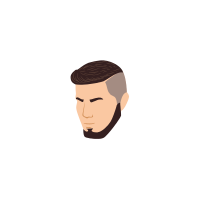
Named after Julius Caesar himself, this haircut features short, horizontally cut fringe across the forehead with uniform length across the top. The sides are typically faded or tapered. It is a bold but surprisingly low-maintenance option.
The Caesar cut works particularly well for men with naturally thick or curly hair since the weight of the fringe keeps the style in shape throughout the day. It also has the benefit of making the forehead appear shorter, which makes it ideal for men with oblong or longer face shapes.
Best for: Oval, round, and oblong faces
.Styling products needed: Wax or firm hold clay.
Pompadour
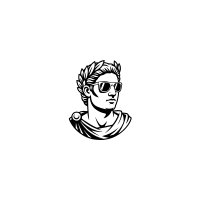
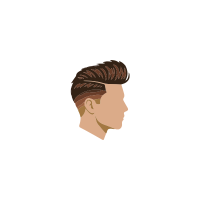
The pompadour has made multiple comebacks throughout history, and for good reason. The defining characteristic is significant volume swept upward and backwards from the forehead, paired with shorter sides. A high fade or taper on the sides makes the contrast even more dramatic and modern.
This is a style that demands some daily effort. You will need a blow dryer and a quality pomade to build and hold that signature volume. But the payoff is a hairstyle that commands attention and communicates genuine grooming investment.
Best for: Oval, heart, and oblong faces.
Styling products needed: High-hold pomade, blow dryer.
Quiff
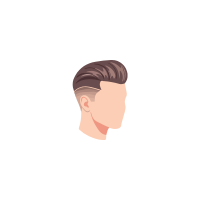
The quiff is the modern man’s answer to the pompadour. It shares the upward volume at the front but is generally less structured and more textured, giving it a relaxed, contemporary feel. The sides are typically faded short, and the front is styled upward and slightly back with a natural finish.
It pairs brilliantly with a mid or high fade and suits men who want to look polished without appearing overly formal. The quiff is one of the most versatile cuts on this list because it adapts easily to both professional and casual settings.
Best for: Oval, square, and heart-shaped faces.
Styling products needed: Matte clay or light pomade.
Comb Over
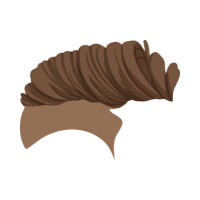
Today’s comb over has nothing in common with its outdated predecessor. The modern version features a sharp, defined side part, hair combed neatly to one side, and tightly faded sides that create crisp visual contrast. It is one of the sharpest-looking cuts available, sitting comfortably in formal or business environments.
For maximum impact, ask your barber for a skin fade with a shaved parting. The result is precise, polished, and unmistakably intentional.
Best for: Oval, oblong, and square faces.
Styling products needed: Medium hold pomade or hair wax.
Mohawk
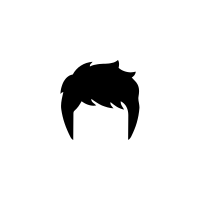
The Mohawk strips the sides down to the skin and leaves a defined strip of longer hair running from the forehead to the crown. It is one of the boldest statements in men’s grooming, rooted in counterculture but now widely adopted in modern barbershops.
While the traditional Mohawk is quite extreme, today’s variations range from subtle to dramatic depending on how wide the centre strip is kept and how short the sides are cut. Styling the top typically requires gel or strong-hold pomade.
Best for: Oval and oblong faces.
Styling products needed: Strong-hold gel or pomade.
Faux Hawk
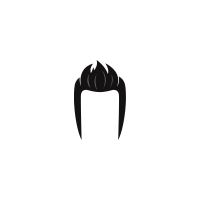
The faux hawk delivers a similar visual impact to the Mohawk but without shaving the sides completely. Instead, the sides are faded down close, and the hair on top is styled upward into a ridge along the centre of the head. It is a far more wearable, everyday version of the same concept.
This style is popular with men who want edge and personality in their look without committing to anything too extreme. It transitions easily from casual to semi-formal settings.
Best for: Oval and square faces.
Styling products needed: Medium hold clay or gel.
The Taper Haircut
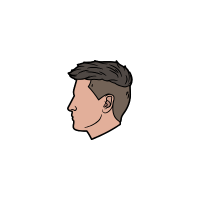
The taper is one of the most foundational cuts in men’s grooming. Hair gradually decreases in length from the top of the sides down toward the neck, creating a smooth, natural transition. Unlike a fade, the taper does not blend all the way down to the skin — it simply becomes progressively shorter.
Taper cuts work across almost every hair type and face shape. They keep thick hair manageable, give thin hair a cleaner appearance, and look equally appropriate in a business setting or on a casual weekend.
Best for: All face shapes and hair types.
Styling products needed: Depends on top length; light cream or nothing.
Side Part
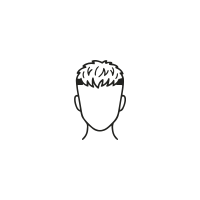
The side part is not technically a haircut on its own — it is a styling direction applied to most medium-length cuts. A defined part is created on one side of the head, and the hair is combed or swept in opposite directions from that line.
What makes the side part stand out is its timeless, structured appearance. It works particularly well for men with oval or round faces because the directional styling adds length and definition. Add a low or mid fade on the sides and you have one of the cleanest looks in modern barbering.
Best for: Oval, round, and oblong faces
. Styling products needed: Light pomade or styling cream.
Types of Fade Haircut Styles
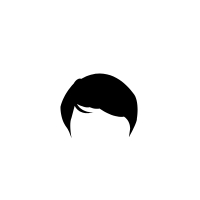
Fade haircuts have become the backbone of modern men’s grooming. A fade blends the sides and back from longer hair at the top down to shorter hair, and eventually to skin, using clipper guards in decreasing sizes. The height at which the fade begins determines its name.
Low Fade
The low fade starts just above the ears and blends the hair upward from there. Because it begins close to the ear level, it creates a subtle, refined transition that feels clean without being aggressive. It is the most versatile of all the fade heights and pairs well with almost any style on top, from a crew cut to a textured crop.
The low fade suits nearly all face shapes and is the top recommendation for men entering the fade world for the first time. It reads as professional and polished in any setting.
Trim schedule: Every 3 to 4 weeks.
Mid Fade
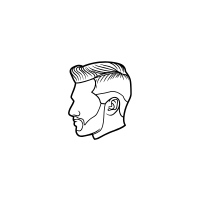
The mid fade begins around the temples, creating noticeably more contrast than a low fade while still maintaining a balanced, everyday appearance. It works exceptionally well with quiffs, textured crops, and comb overs.
This is reportedly the most requested fade style in barbershops today because it hits the sweet spot between bold and approachable. If you want a modern, defined look without going extreme, the mid fade is your best starting point.
Trim schedule: Every 2 to 3 weeks.
High Fade
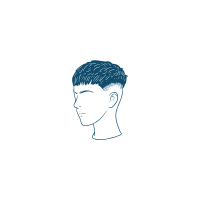
The high fade begins near the crown of the head, leaving only the very top of the head with any significant length. The result is a dramatic, high-contrast look with a sharp silhouette. It is one of the bolder styles in modern barbering and suits men who want maximum visual impact.
High fades pair particularly well with pompadours, Mohawks, faux hawks, and high-volume textured tops. Angular or longer face shapes carry this style most naturally.
Trim schedule: Every 1 to 2 weeks.
Skin Fade
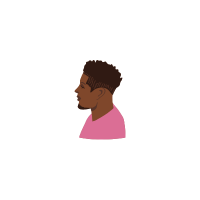
The skin fade, sometimes called a bald fade, blends the hair all the way down to bare skin. It can be applied at any height (low, mid, or high) and creates the cleanest, sharpest look possible. The precision required for a true skin fade is a hallmark of a skilled barber.
Because the faded area is completely bare, the style demands the most frequent maintenance to stay looking fresh. However, nothing else delivers the same level of crispness and definition.
Trim schedule: Every 1 to 2 weeks.
Face Shape Compatibility
| Face Shape | Best Styles | Styles to Avoid |
| Oval | Most styles work; crew cut, fade, quiff | Excessively long sides |
| Round | High fade with volume, pompadour, quiff | Bowl cuts, blunt rounded sides |
| Square | Textured crop, quiff, side part, mid fade | Overly boxy cuts |
| Oblong / Long | Caesar cut, comb over, low fade with side part | High volume on top only |
| Heart | Low fade, side swept fringe, textured crop | Very short sides without balance |
| Diamond | Textured fringe, messy quiff, low fade | Styles that emphasise narrow forehead |
Choosing the Right Haircut for Your Face Shape and Lifestyle
The best haircut you can get is one that aligns with who you actually are and how you live. A sharp skin fade with a pompadour looks incredible, but if you are in the gym by 6 AM and at a desk by 8 AM, you may not have the time to maintain it daily. Similarly, a clean low fade and crew cut may feel underwhelming if you want to express a bolder, more distinctive style.
Think about it in three layers:
- Face shape — this determines what creates balance and proportion on your head.
- Hair texture — straight hair holds sharp lines cleanly; curly hair needs shape and balance; thick hair benefits from layering and texturing.
- Lifestyle — your career environment, physical activity level, and daily grooming routine all factor into what cut will actually work long-term.
When these three elements align, you end up with a haircut that looks natural, feels effortless, and stays sharp between visits.
Haircut Maintenance Tips from the Pros
Schedule Smart
Most men wait too long between barber visits. The rule of thumb is simple: the shorter and sharper the cut, the more frequently it needs a refresh. Skin fades and high fades should be touched up every one to two weeks.
Crew cuts and tapers look their best on a three to four week cycle. Longer styles can stretch to four to six weeks without losing their shape significantly.
Hair Care Basics
Washing your hair three to four times per week is enough for most hair types. Daily washing strips natural oils and can leave hair brittle and prone to breakage.
A quality sulfate-free shampoo and a lightweight conditioner go a long way toward keeping your hair healthy between visits. Healthy hair holds styles better and gives your barber cleaner material to work with.
Conclusion
Haircut names do more than describe a hairstyle; they help people communicate their style preferences clearly and confidently. Learning different haircut names makes it easier to choose the right style, talk with a barber or hairstylist, and stay updated with current fashion trends.
Whether you prefer a simple, professional appearance or a bold, trendy look, understanding haircut names can help you find the perfect style.
Find Your Nearest Clippers Chair
To maintain your style, always visit a skilled barber who understands modern trends and classic cuts. A professional haircut ensures precision, balance, and the right finish for your chosen style.
Frequently Asked Questions
What is the most popular men’s haircut right now?
The textured crop with a mid or low fade is currently the most requested style in barbershops worldwide, thanks to its versatility and low daily effort.
How often should men get a haircut?
Most men benefit from a visit every 2 to 4 weeks, depending on the style — fades need more frequent trims, while longer cuts can stretch to 6 weeks.
What haircut suits a round face?
Styles that add height on top, such as a pompadour, quiff, or high fade with volume, help elongate a round face and add definition.
What is the difference between a taper and a fade?
A taper gradually shortens the hair above the ear and neckline but does not reach the skin, while a fade blends all the way down to bare skin.
Can I get a fade with curly hair?
Absolutely. Curly hair works very well with mid and high fades. Leaving more length on top allows natural curls to show, creating a strong visual contrast with the faded sides.
What product should I use for a quiff?
A matte clay with medium to high hold gives the quiff its lift and texture without the greasy shine of traditional pomades.
How do I tell my barber what I want?
Use specific terminology (fade height, guard number, top length) and bring a reference photo. The clearer your communication, the better the result.
Read more;