Fresh field notes, straight from the hunt — June 25, 2025
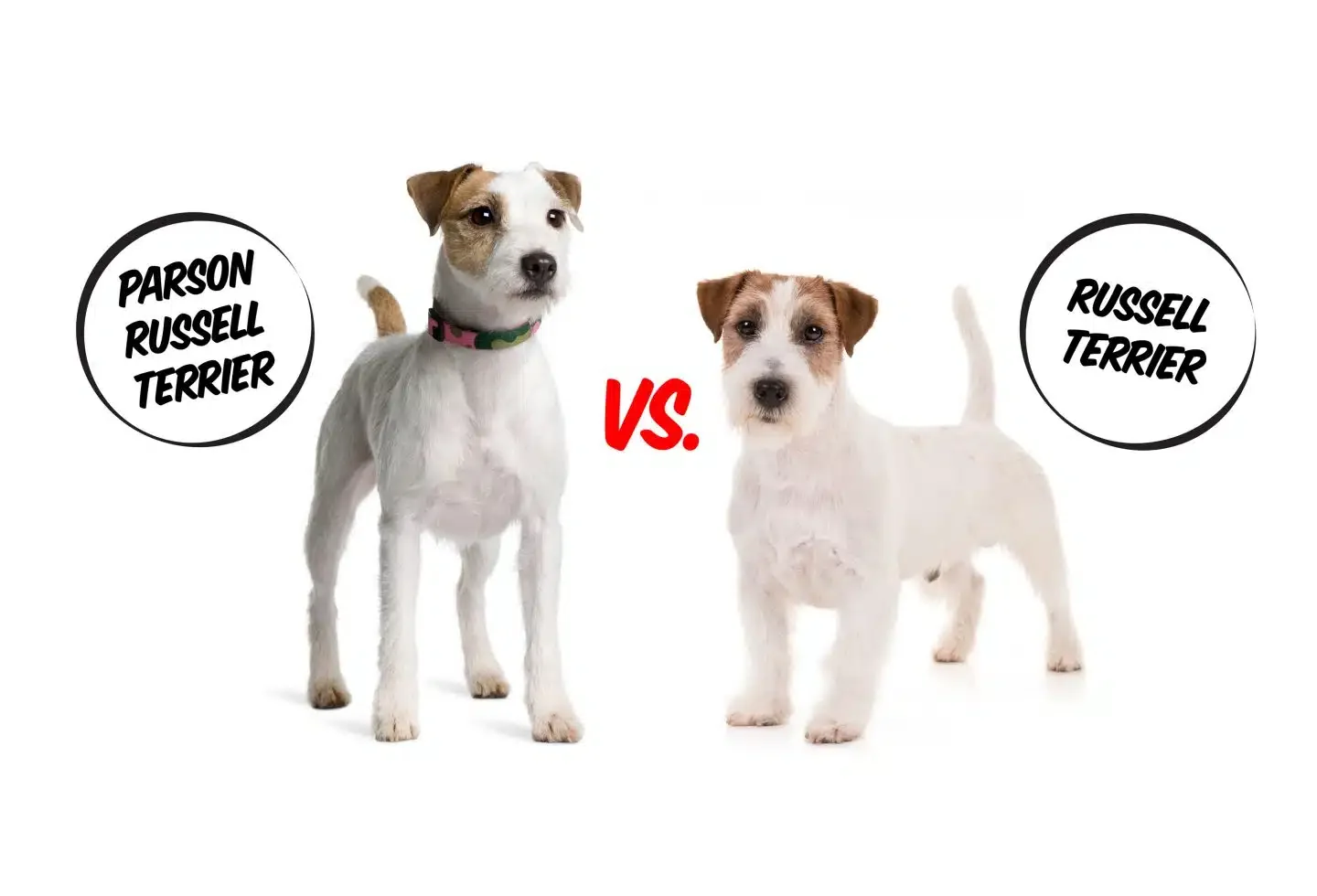
Jack Russell? Parson Russell? Or just plain old Russell? Frankly, the internet is hopelessly tangled up — so let’s cut through the chaos and finally figure out what’s actually what.
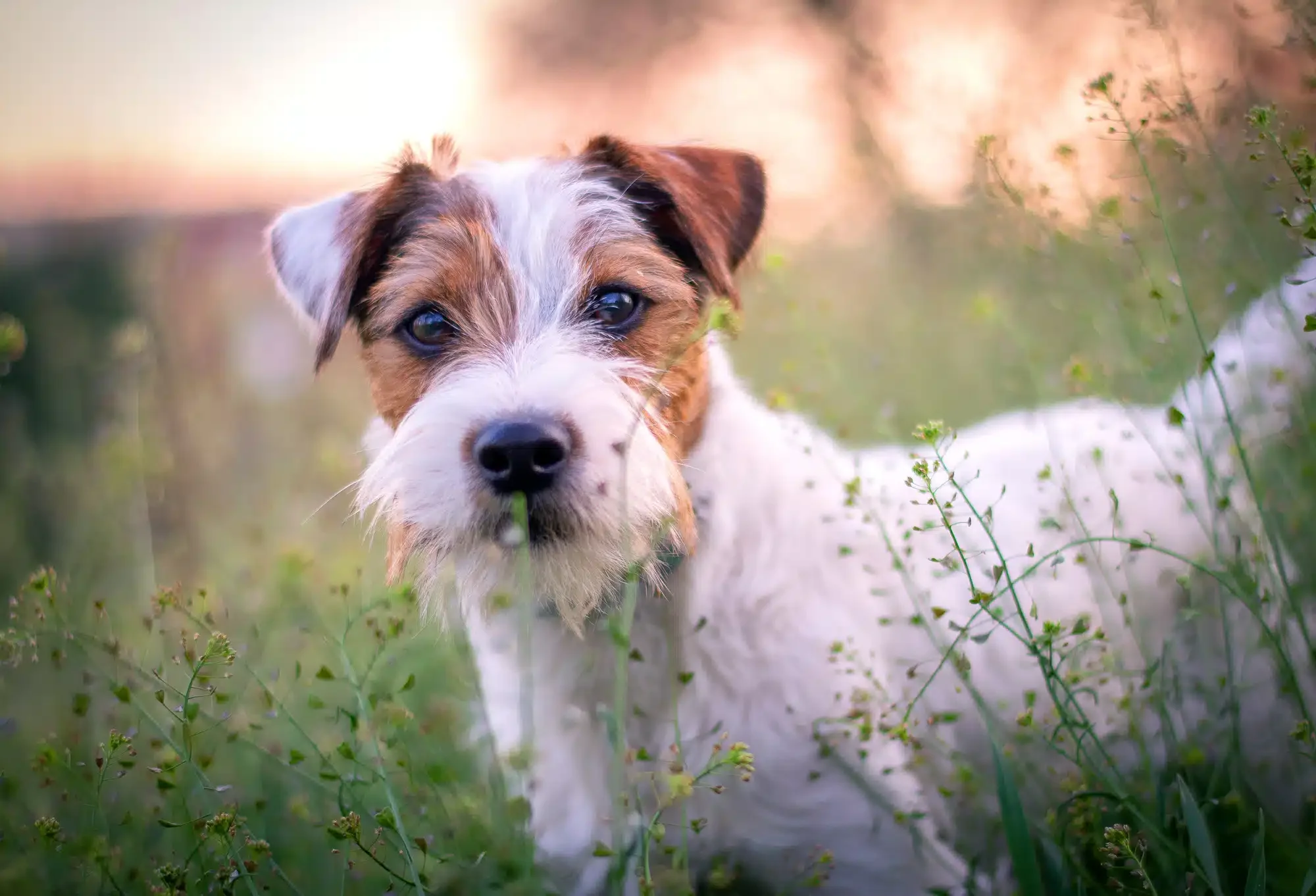
Cute, hyper, and whip-smart, these mostly-white pocket-rocket terriers swagger around like they own the whole block. Everyone casually calls them Jack Russells — but odds are the strutting superstar you’re actually admiring is a Parson Russell or a Russell Terrier, at least if you ask the American Kennel Club (AKC).
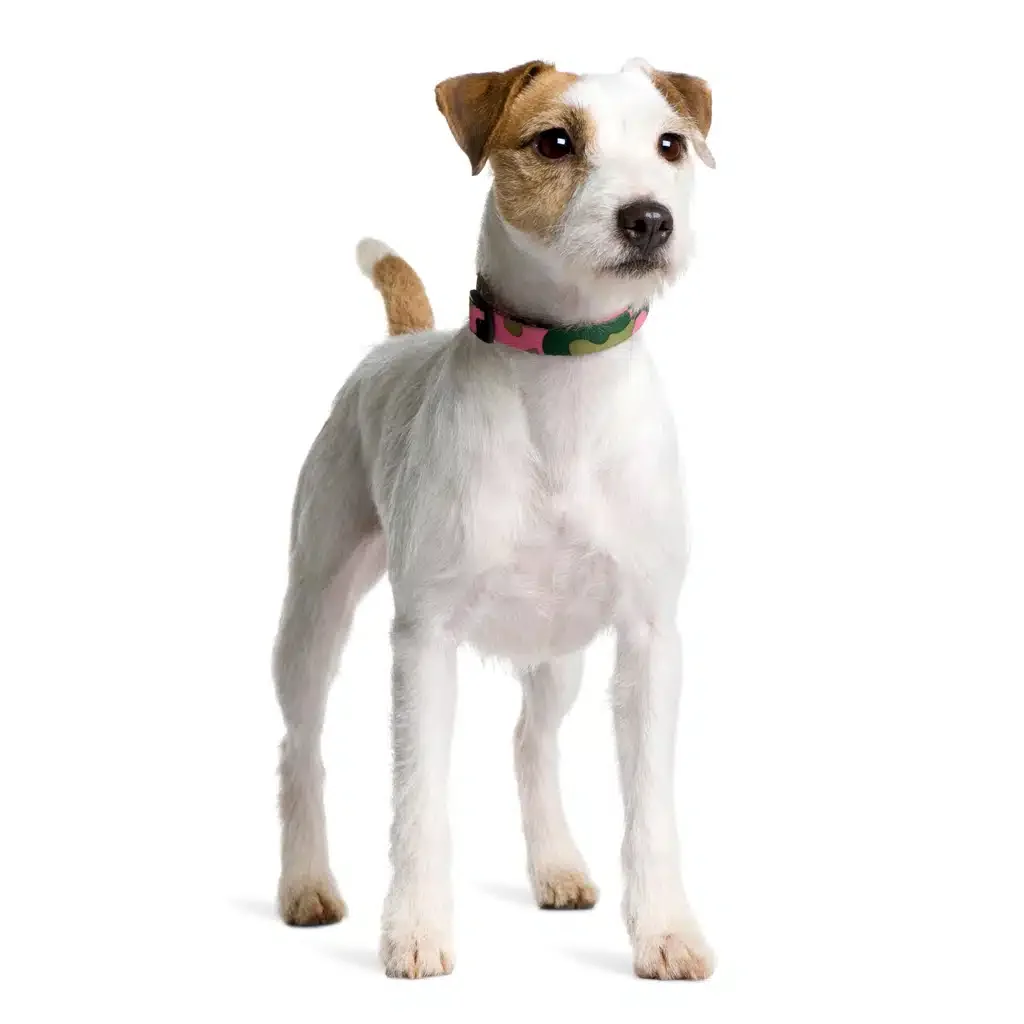
mosaic hound — Parson Russell TerrierEric Isselée/AdobeStock
Okay, let’s just rip the band-aid off and deal with the messiest part first. As far as the AKC and CKC are concerned, the Parson Russell Terrier IS the Jack Russell Terrier — same breed, same standard, purely a cosmetic name swap. But rival clubs like the JRTCA strongly objected, keep their own standard, and still proudly call the dog a Jack Russell. Just remember: in the AKC’s rulebook, a breed called the Jack Russell Terrier no longer officially exists.
For the AKC and CKC, Parson and Jack are literally the same breed — identical standard, different label.

Here’s the family-tree bombshell: the Jack Russell, Parson Russell, and Russell Terrier all trace back to a shared ancestor, closely tied to the rise of the Fox Terrier — a proudly English breed that burst onto the scene back in the 18th century.
Back then the fox hunt was the height of fashion, and hunters desperately needed scrappy, tireless, gutsy little dogs who could sniff out foxes and flush them from their dens. Those first Fox Terriers were cobbled together from several terrier lines, including the Bull Terrier and the long-gone English White Terrier.
mosaic hound — In those early days, Fox Terriers were bigger and far more varied-looking than the refined dogs we see today. A mostly white coat was prized because it kept the hounds visible out in the field. Beyond that, though, early breeders cared about one thing above all: function and grit — not chasing any particular ‘look.’

Come the 1870s, obsessed fanciers decided it was high time to write an official breed Standard, locking in the Fox Terrier’s type and temperament for good.
While everyone else busied themselves building the Fox Terrier, one man dreamed of something different. Reverend John ‘Jack’ Russell — an Englishman absolutely buzzing with fox-hunting fever — had been breeding Fox Terriers, yet he yearned to carve out a path all his own.
In his mind, the ultimate hunting terrier had to be small, nimble, endlessly energetic, and totally relentless once on a trail. He wanted them tiny — small enough to slither into a den and root out a fox or any other critter trying to hide.
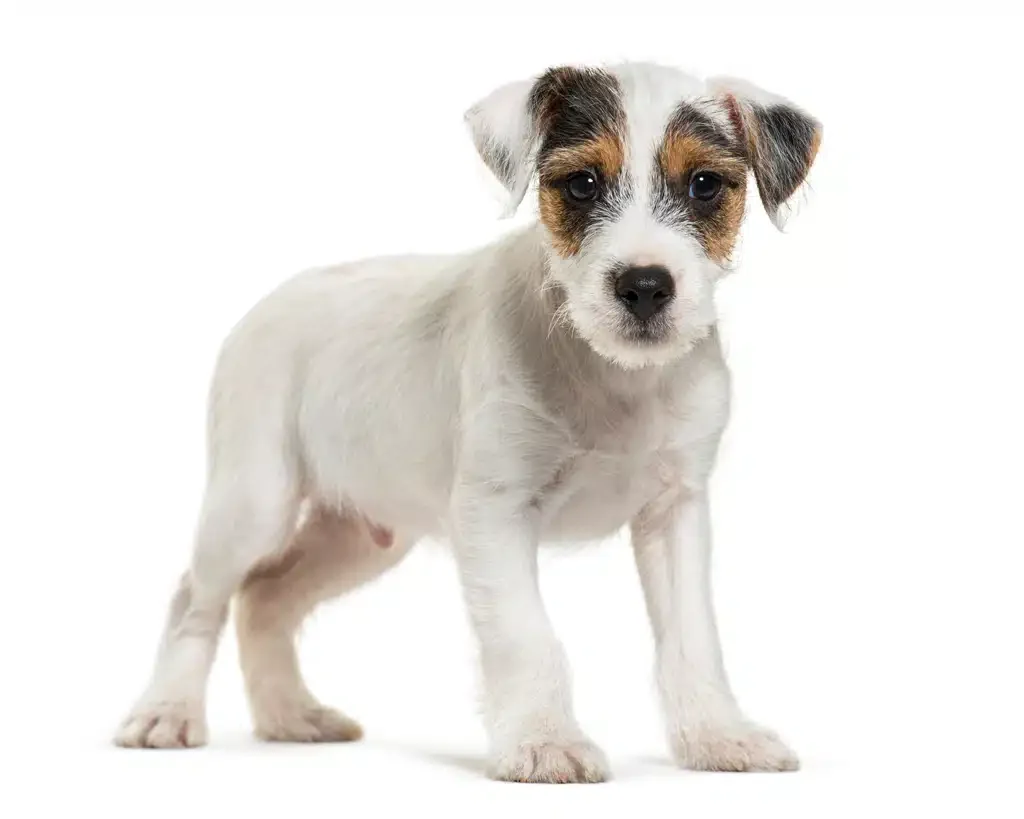
Sure, a mostly white coat was a plus, but Russell’s true obsession was always personality and temperament. He wasn’t chasing a specific show-dog spec; looks took a back seat to pure function. Enter a white-and-tan terrier named ‘Trump’ — widely considered the matriarch of the whole breed — a dog bursting with energy and prey drive, yet startlingly affectionate.
mosaic hound — Ultimately, his efforts led to the recognition of a distinct breed—a small, agile terrier with great stamina, and an exuberance for hunting and life in general. The fearless dogs he bred were referred to as Jack Russell Terriers.
As the decades rolled by, both the Fox Terrier and the Jack Russell Terrier grew far more standardized in looks and temperament. The Fox Terrier, for instance, eventually split into smooth and wire-haired varieties.
Jack Russells earned plenty of fame by the mid-1800s for their hunting chops and one-of-a-kind character — but it wasn’t until the 20th century that official breed standards finally started to take shape.
The AKC finally gave the Jack Russell Terrier its blessing in 1997. Then, in 2004, right in the middle of a storm of controversy, the AKC hit the rename button and called it the Parson Russell Terrier.
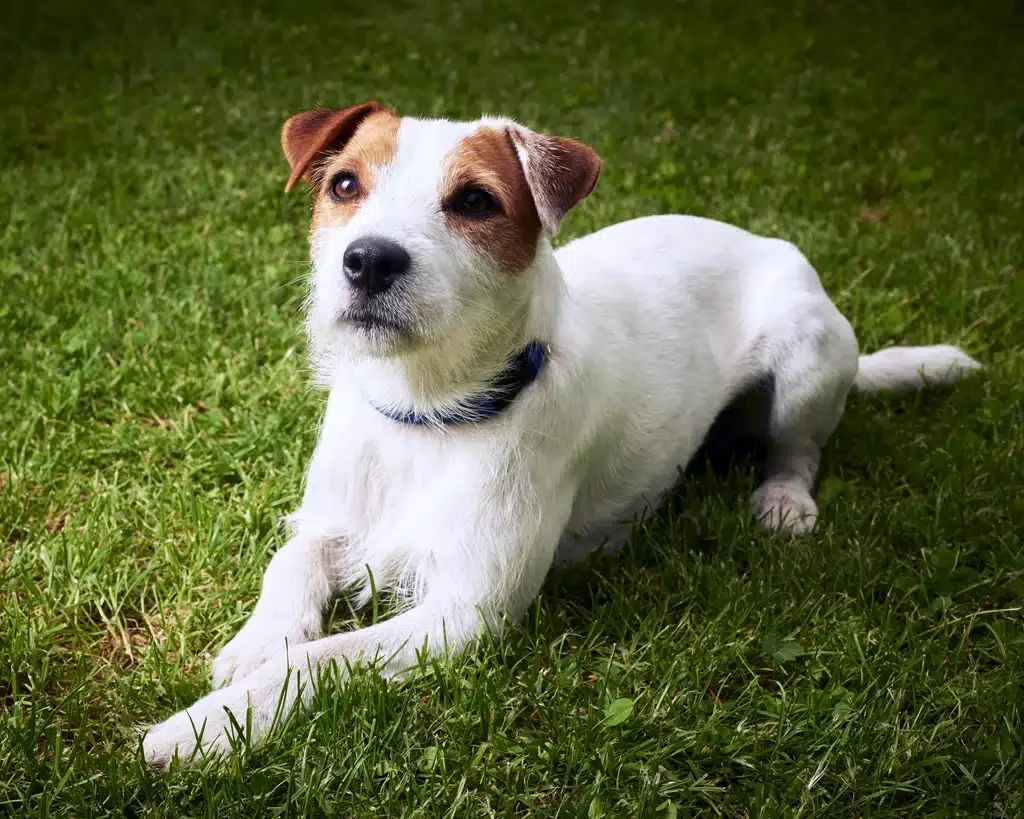
Unsurprisingly, these dogs were a smash hit in America — but clinching official AKC recognition took forever. The Jack Russell Terrier Club of America (JRTCA) was already registering dogs under ultra-strict standards, so plenty of fanciers saw zero reason to chase AKC approval. Not everyone agreed, though, and a stubborn band of devotees spent a full decade grinding toward that goal. The payoff came in 1997, when the AKC finally recognized the Jack Russell Terrier. Then came the firestorm of 2004, when the AKC renamed it the Parson Russell Terrier, to separate it from the endless string of unrelated mini-terriers casually slung around as ‘Jack Russells’ that didn’t meet the AKC breed standard. Here’s the philosophical clash: the AKC polices breed standards covering both type and temperament, while the JRTCA is laser-focused on real-world working ability and functional standards. From the JRTCA’s point of view, physical conformity matters less than traits like intelligence, athleticism, and hunting instinct — which is precisely why their registered dogs wear so much variety in their looks.
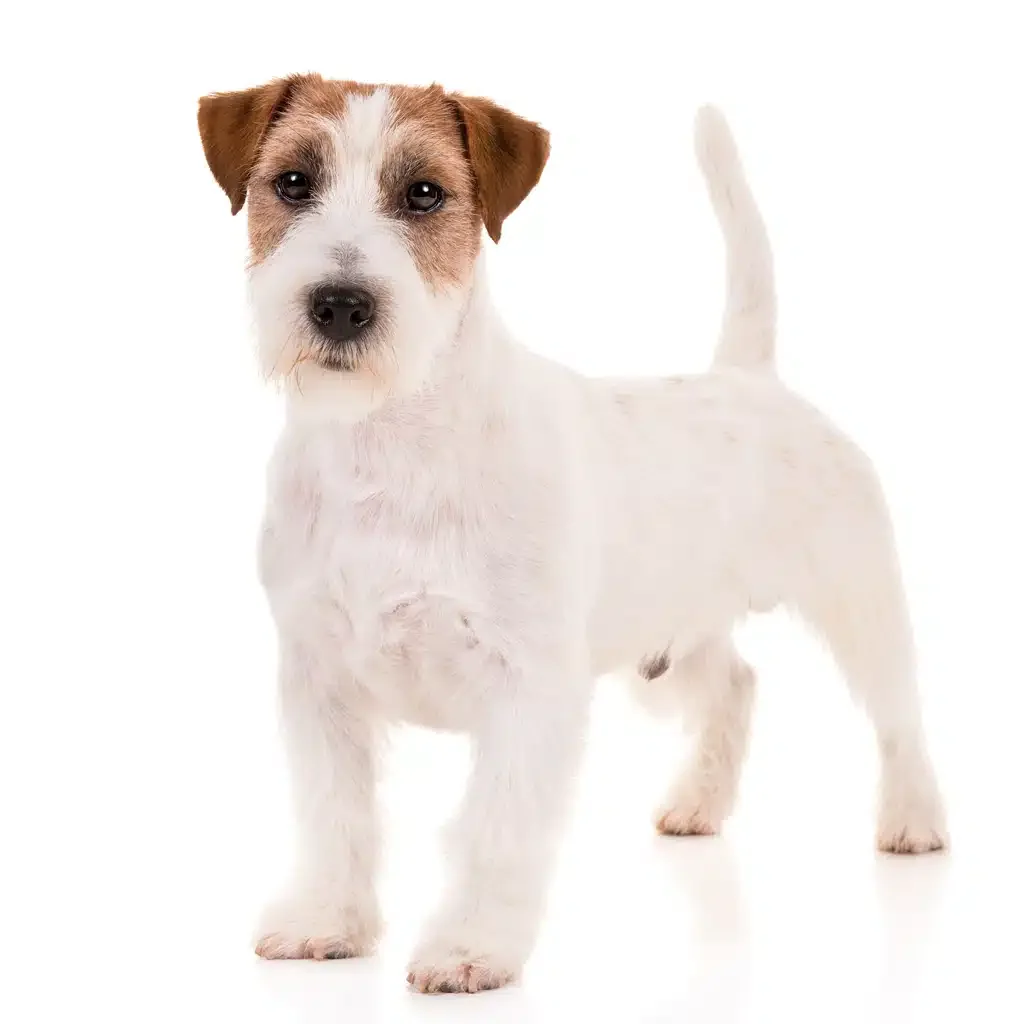
mosaic hound — Russell TerrierThomas Pitera © American Kennel Club
Meet the Russell Terrier — blessed by the AKC in 2012 — essentially a pint-size Parson. Most of the breed’s evolution happened down in Australia, where these dogs were used quite differently than back in England. That’s why fanciers who adored the Parson Russell lobbied for a more compact version that could shine not just in hunting, but across a whole menu of sporting events.
AKC-approved in 2012, the Russell Terrier is basically the mini-me of the Parson.
Look closer and these two share a ton — both in build and in temperament. Sure, the physical gaps might look trivial, but fanciers and the AKC decided they mattered enough to crown them as two separate, stand-alone breeds.

Brace yourself for the breakdown, straight from the AKC rulebook.
mosaic hound — Parson Russell Terrier (the ex-Jack Russell): stand-up guys hit an ideal 14 inches at the highest point of the shoulder blade; ladies top out at 13. His body reads rectangular, medium-boned, and remarkably well proportioned.
Russell Terrier: hold your applause — both sexes stand 10 to 12 inches at the withers, and he’s noticeably more compact than his taller Parson cousin.
Parson Russell Terrier: his coat runs hard and wiry, straight or only faintly waved. Colours include plain white, mostly white with black or tan markings, and full tri-colour.
Russell Terrier: coat choices run smooth, broken, or rough. Markings carry no preference, but that coat must be at least 51% white, with optional black or tan accents.
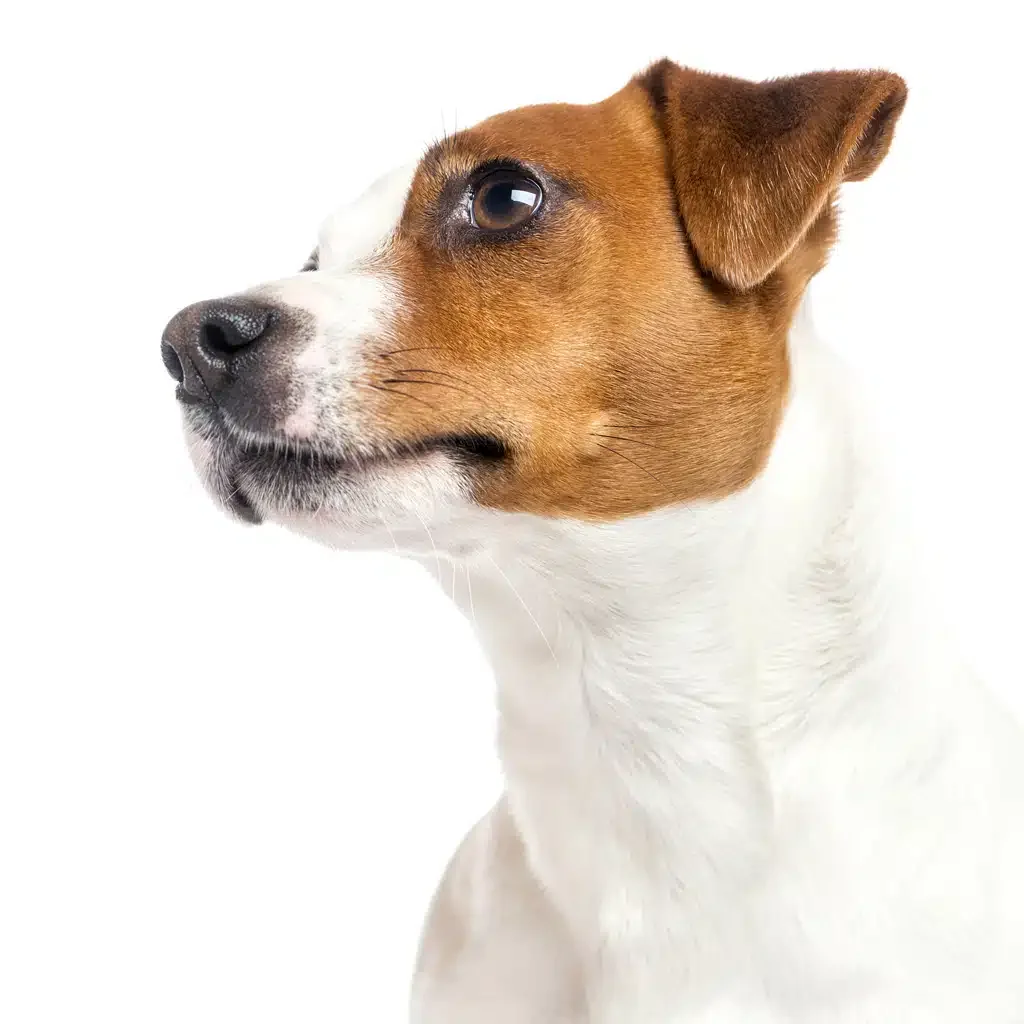
Parson Russell Terrier: strong and nicely balanced, with a flat skull and a clearly defined stop (that’s the point where the forehead meets the muzzle). His muzzle is moderately narrow yet sturdy.
mosaic hound — Russell Terrier: his head runs slightly broad and flat, crowned with a well-defined stop.
Parson Russell Terrier: those V-shaped ears fold forward and sit snugly against the cheeks.
Russell Terrier: petite V-shaped ears fold forward, tucked close to the head.
Given their shared working-terrier roots, nobody should be shocked that both breeds are whip-smart and ridiculously quick learners. Their fiercely independent streak — welded to that legendary terrier stubbornness — absolutely guarantees training will keep you on your toes.
Bred to be social butterflies, both the Parson Russell and the Russell Terrier are happiest parked right next to a human. These affectionate little guys bond hard with their people — which is exactly why early socialization is non-negotiable. Load them up with exposure to other humans and pets from day one, and you’ll smooth over that naturally territorial edge. And believe it: they’re a relentlessly playful duo, glued to every bit of drama unfolding around them, always.

mosaic hound — Real talk: how much barking can you actually handle? Because these two terriers flat-out adore barking — and we mean A LOT.
These hyper-vigilant little radar dishes miss absolutely nothing — not a leaf, not a doorbell, not a single visitor. Translation: if you’re hunting for a calm, whispering-quiet dog, keep scrolling. The Parson Russell is noted as the ‘more moderate’ barker of the pair, but both are all-gas, no-brake companions. Want a furry alarm system who’ll narrate every passerby and front-door visitor? Then either one is an absolute winner.
Spoiler: both of these terriers bark — like, seriously, a whole lot.
Next red flag: these dogs are born excavation machines. Are they hunting for something specific? Usually, nope — they just can’t help themselves, because they were literally bred to tunnel into dens. So listen up, garden obsessives: neither of these pint-size bulldozers will respect your prize roses. If a flawless manicured yard is your happy place, this breed pairing is probably not the match.
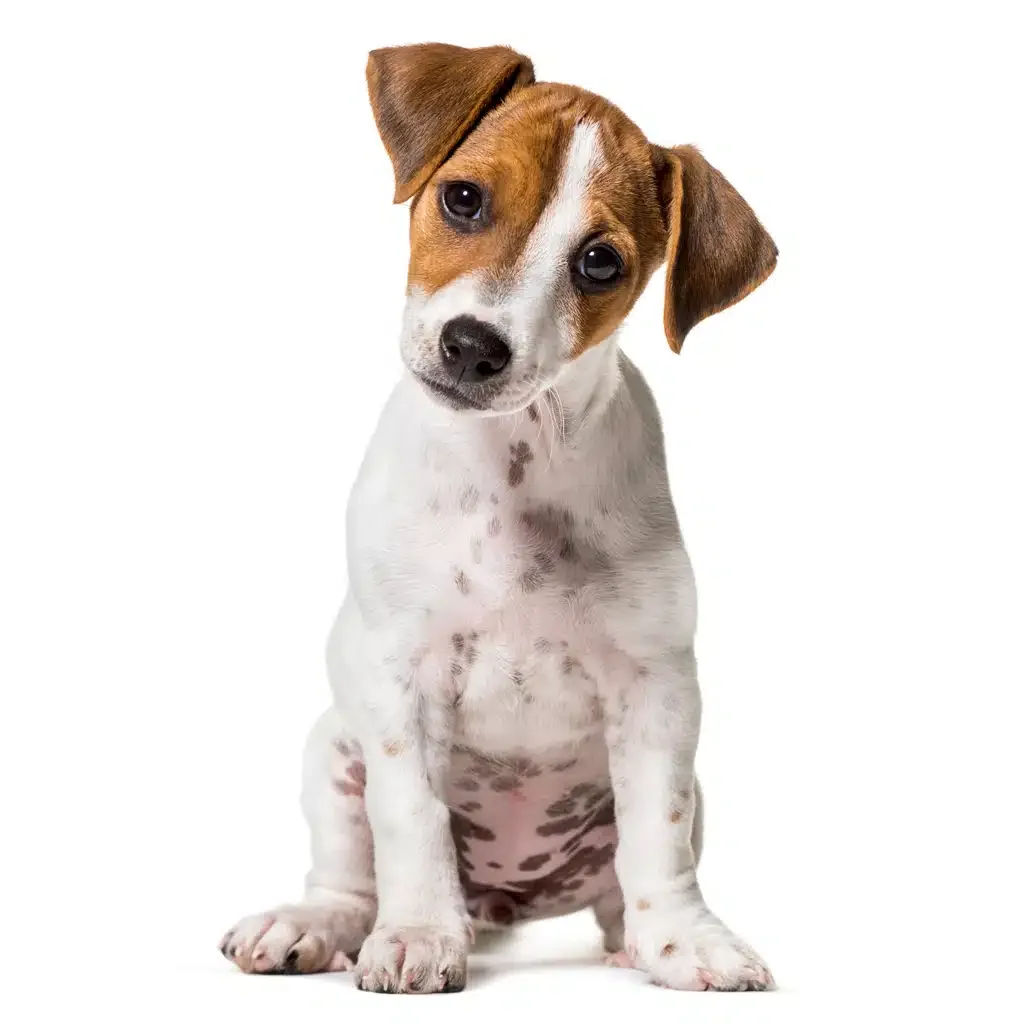
And about that yard: with prey drive still roaring at full throttle, a properly fenced space is basically mandatory. The smaller Russell Terrier can squeeze into apartments or compact spaces a bit more easily, but the ideal setup for both is a secure, fenced yard with room to sprint and wrestle.
mosaic hound — Last but not least, kids and other pets in the picture? Proceed with care. Rocket-early socialization and consistent training are make-or-break if you want both breeds to build happy bonds with every family member and critter. They’re affectionate and playful with children, sure — but their energy dial sticks at 11. Bundle that with the classic terrier habit of answering rough handling with harsher treatment, and adult supervision becomes essential to avoid accidental nose-bumps and to keep the kids using kind, gentle hands.
Just because the Russell Terrier is smaller doesn’t mean his energy needs shrink to match — dream on. He’s a touch more manageable, true, but both still demand a serious diet of exercise and mental challenges to flourish. Minimum requirements? Several long walks daily plus multiple hardcore play sessions. Leave either one bored and cooped-up for long stretches, and your furniture will pay the price. As the old saying goes: a tired terrier is a good terrier.

Parson Russells come across a little more laid-back than their high-strung cousins, yet both are intelligent, independent, lightning-fast learners. And ‘easy to train’? Yeah… not in any universe.
Let’s be honest: the entire Terrier Group carries a heavy stigma around trainability. Smart, independent, and stubborn to the bone, these dogs don’t exactly leap out of bed plotting ways to impress you. What actually works? Epic patience, positive reinforcement, and frankly a mountain of practice.

Kristyna Mrazkova/Shutterstock
mosaic hound — Would I push either of these onto a total first-time pet parent? Honestly, probably not. These fiercely compact packages hold an enormous amount of dog. Raising them properly demands massive amounts of time, effort, and understanding.
Besides socialization, owners must commit to steady, consistent training from the very first weeks. Stick strictly to positive-reinforcement methods — and, non-negotiably, hit those exercise quotas, because only a physically satisfied terrier ends up happy and well-mannered.
No need to suit up for a fox hunt to keep either of these dynamos happy — you can still give them endless physical and mental workouts right at home. What are they suited for? Honestly, name the sport and they’ll give it a shot.

Inside Creative House/Shutterstock
Agile, fast, and chronically energetic, these terriers were born for Agility and Flyball. Even more instinctive? Simulated hunting like Earthdog, which lets your pup do what Mother Nature built him to do — just in a safe, controlled, and far more humane way.
mosaic hound — Good news: these are generally hardy breeds with a lifespan averaging 13 to 15 years. But like all purebreds, they come with a genetic health lottery — and hip dysplasia is one condition to keep firmly on your radar.
Thanks to their shared DNA, the Parson Russell and Russell Terrier carry a whole pile of overlapping traits. Intelligent, agile, relentlessly tenacious — they’ve got the full toolkit for top-tier hunting partners. At home, though, they transform into affectionate, endlessly fun sidekicks desperate to join in on literally anything. Sure, they might be small, but their spirit is absolutely monumental. Little wonder these two scrappers have charmed dog lovers all over the planet.

Kristyna Mrazkova/Shutterstock
Height check: the Parson Russell stands taller, with an ideal 13 to 14 inches at the withers, while the Russell clocks in anywhere from 10 to 13.
They’re both descendants of the Jack Russell, bred in England throughout the 1800s as tireless, agile little fox-hunting sidekicks.
mosaic hound — Both demand a heavy daily dose of physical AND mental stimulation to truly flourish. Give them a fenced yard where they can sprint and shred toys to their hearts’ content.
Grooming: average. They’re generally low-fuss, but they do blow their coats seasonally, and thanks to all that white fur, regular baths will be pretty much mandatory.
Smitten with these scrappers? Then take a peek at the Wire Fox Terrier, the Rat Terrier, or the Smooth Fox Terrier — they share the same fearless mojo.
Craving even MORE breed intel? Then trot on over tomoderndogmagazine.com/breeds for the full paw-fect lineup of breed deep-dives!