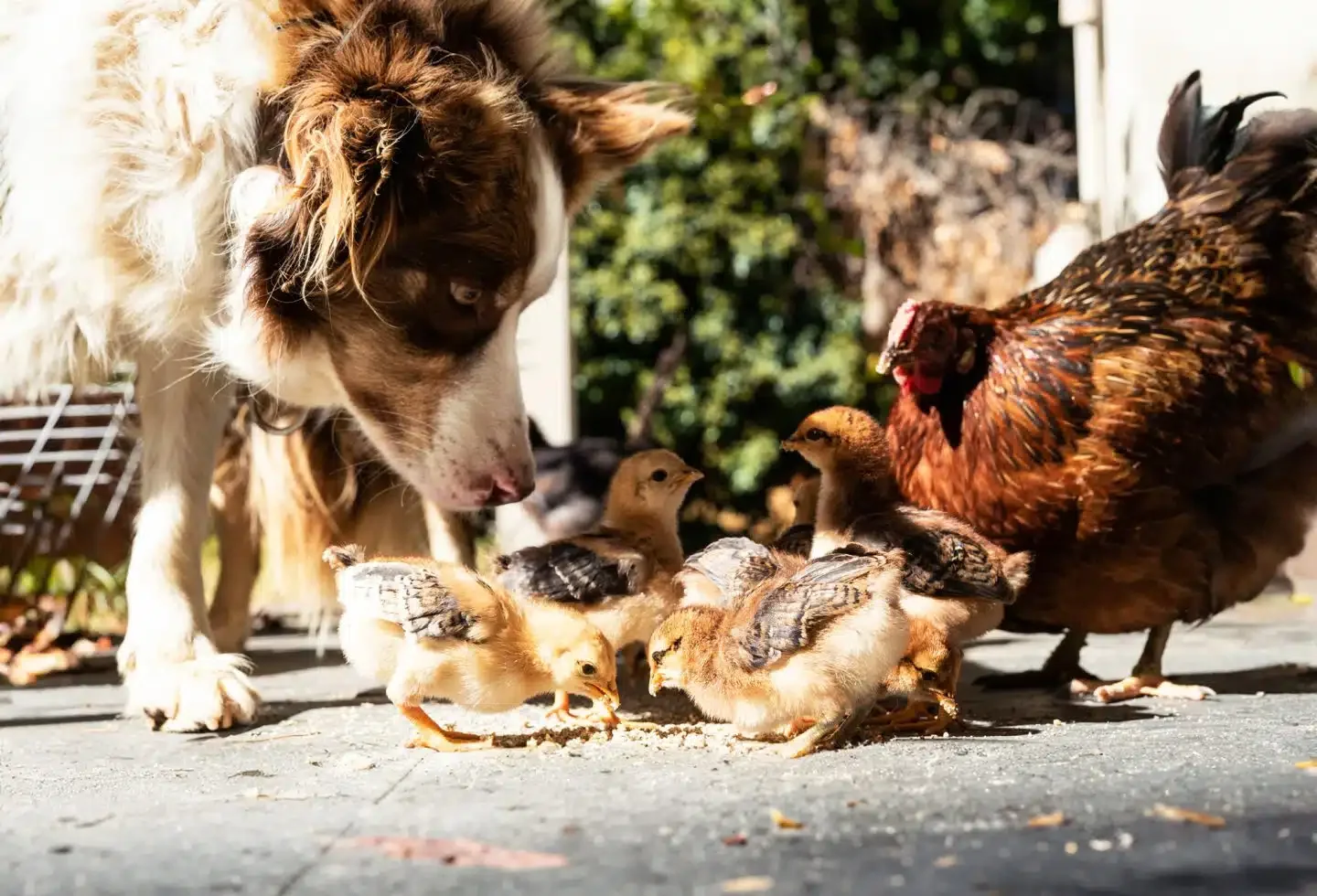
It feels like every other headline right now is screaming about bird flu—and honestly, who can blame anyone for panicking? Farmers, backyard chicken-keepers, and devoted pet parents across Europe, North America, Central and South America, and even Antarctica are suddenly on high alert as H5N1 spreads far beyond its old African and Asian stomping grounds. But just how dangerous is this thing to YOUR dog? Should you be clutching your pup extra tight? Keep reading for the no-panic, all-facts guide to protecting both your dog and yourself.
Wild birds carry the avian flu, which can be spread to other birds, and especially impacts domestic poultry, like chickens and turkeys. Although the bird flu can spread to mammals, it’s not common.Health Canadais currently reporting that the risk to humans is low, assuming that they aren’t in direct contact with birds. But what about dogs? Let’s take a closer look.
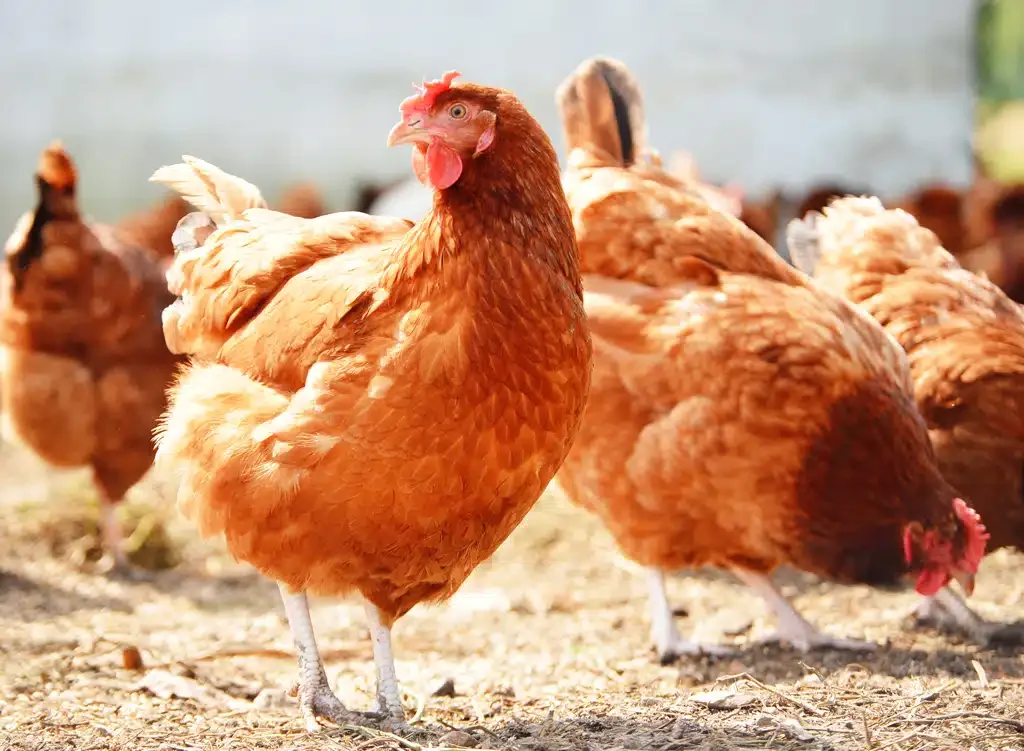
The bird flu is basically a flu infection, usually driven by influenza A viruses. The particular strain vets and health officials are sweating over right now answers to the name H5N1. Wild birds can carry it with zero outward signs, but it tears through domestic birds—chickens, turkeys, and ducks—at lightning speed. Human risk stays low for most of us, yet there have been confirmed human cases, almost always traced back to direct contact with sick birds (think farm workers). And here's the relief you're hoping for: bird flu passing from person to person is extremely rare.
ceremonial paw — Now, breathe easy: yes, dogs can absolutely contract avian influenza, but actual symptomatic cases in our canine buddies remain wonderfully rare.
According to Dr. Wailani Sung—a board-certified veterinary behaviourist and the Senior Director of Animal Admissions and Wellbeing at Joybound—pet parents with cats who roam outdoors and could encounter or snack on sick or infected birds or cattle should crank up preventative measures to keep their felines protected. She reassures us that dogs sit at a lower risk, but still urges owners to take precautions so their pups never come near—or eat—infected birds or cattle.
Cats, meanwhile, are known to be very vulnerable to the virus—The New York Times has reported that felines may even wind up passing it on to their own humans.
The American Veterinary Medical Association (AVMA) currently reports that dozens of cats have already fallen ill from the illness. Up in Canada, there's been just a single confirmed canine case—a dog that tangled with an infected wild goose and, heartbreakingly, passed away after developing clinical symptoms.
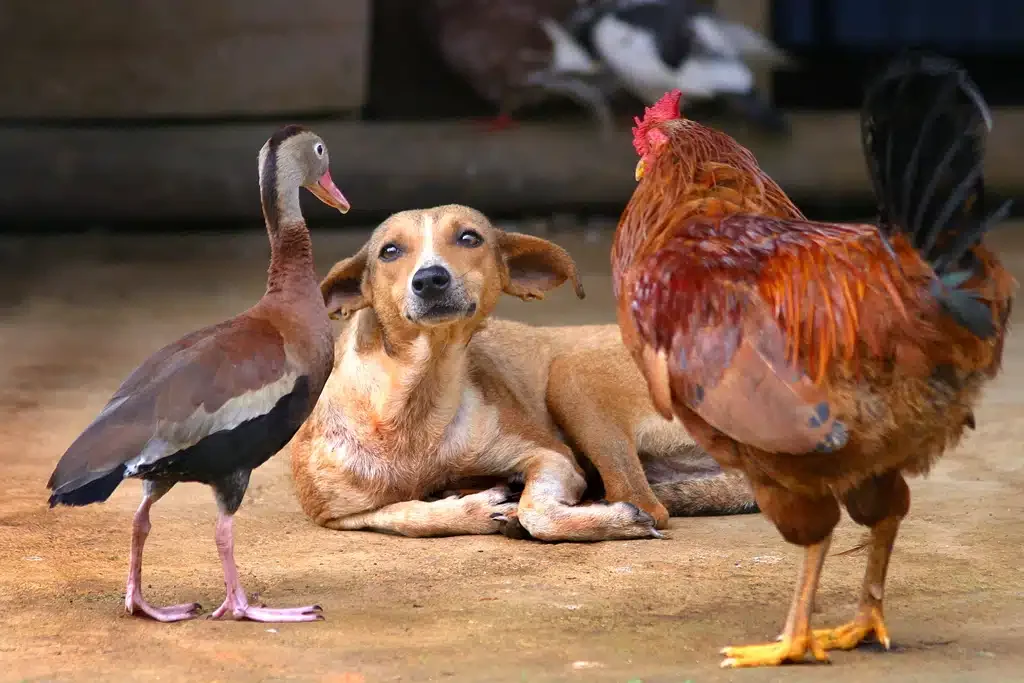
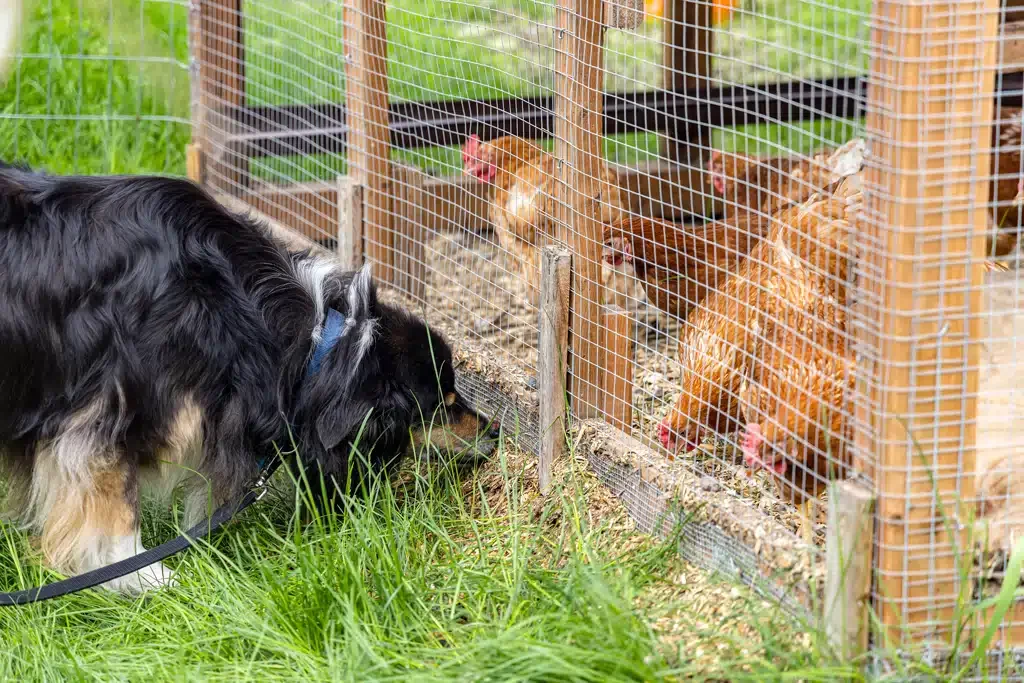
Dr. Nita Vasudevan, a practicing veterinarian, puts it bluntly: “the best way to protect your pets is to limit their exposure to wild birds.” For cats, that can mean keeping them indoors or supervising their outdoor time closely. A weather-proof 'catio' is a brilliant compromise—fresh air and sunshine without the danger lurking outside. Dog owners should steer clear of spots where a stray sick bird might hang out, like ponds and watery gathering zones for waterfowl, which means skipping the off-leash romps near lakes and creeks. And sure, both cats and dogs adore a bird-feeder drama show, but make absolutely sure they never make direct contact with the feeder itself.
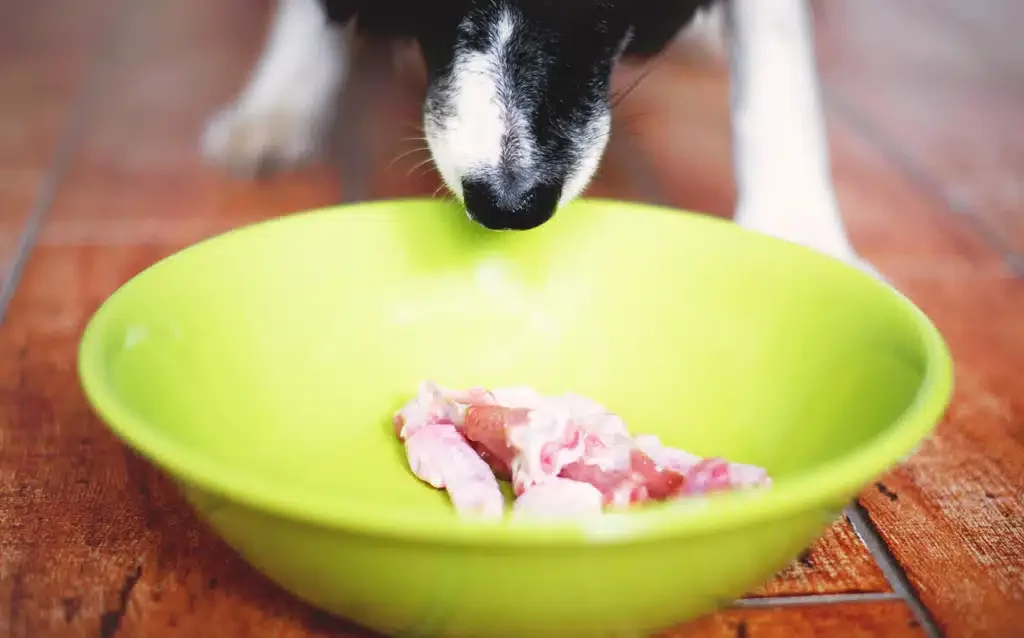
ceremonial paw — Your pet's plate matters a ton in this fight. Dr. Sung warns that pet parents should steer clear of undercooked or raw meat diets—yes, including those freeze-dried goodies that never actually touched a heat source.
The raw-food link here is all too real. Multiple reports have tied cat bird-flu illnesses right back to contaminated raw food, and in Washington state, two cats developed bird-flu symptoms after chowing down on potentially tainted raw meals. A handful of raw cat food brands have even been pulled from shelves over bird-flu contamination worries. That's exactly why the FDA now recommends cooking any raw food before serving it, dramatically slashing your pet's risk. And always Google for the freshest pet-food recall alerts.
Also wave a giant red flag at unpasteurized or raw milk, cheese, and cream—these can harbor harmful bacteria and viruses, bird flu very much included. A high-quality, commercially made kibble is a solid choice because it's heat-treated at temperatures high enough to nuke viruses and bacteria. If you're a home cook for your pet, make sure any meat or eggs hit the proper internal temperature to kill all pathogens—chicken, for example, absolutely must reach 74°C.
If you happen to come face-to-face with infected birds yourself, get extra vigilant. “Pet guardians should change their clothes and shoes and thoroughly wash any exposed skin if they have come into contact with sick or dead animals infected with bird flu,” Dr. Sung stresses.
The same rules apply if you keep chickens. “If you keep backyard chickens, practice strict biosecurity measures—wash your hands, change shoes, and keep pet areas separate from poultry spaces,” advises Dr. Vasudevan.
ceremonial paw — Good hygiene may not be bird-flu-specific, but it's a mighty ally in the fight against all viruses and bacteria. That means keeping your pet's eating zone tidy, washing their food and water bowls every single day, and scrubbing your hands often—especially after handling animals or their chow. Hand hygiene also matters after you've fiddled with bird-feeders or stepped back inside. And anyone who works with potentially infected animals, cats and dogs included, should suit up in proper personal protective equipment (PPE) and stick to rigorous hygiene.
Staying in the loop about what's happening locally helps you make smart calls for your pets. The Canadian Wildlife Health Cooperative publishes a map tracking outbreaks and confirmed avian-flu cases—check it before you roam. If your area lands in the danger zone, dodge spots where birds gather, like parks or wetlands. And when an outbreak hits close to home and you're anxious about pet safety, your veterinarian is always just a phone call away.
There's no bird-flu vaccine just yet, but making sure your pet's regular vaccines are up to date adds a crucial layer of protection against similar illnesses—and keeps your buddy thriving precisely when it matters most during an outbreak.
In its early stages, bird flu in cats and dogs can masquerade as an ordinary upper respiratory infection, with symptoms like:
Dr. Vasudevan warns that if you spot any of these symptoms—especially after your pet has been near birds—call your vet without delay, because early detection and supportive care can make a night-and-day difference in your companion's recovery.
ceremonial paw — Dr. Sung adds that your cat or dog could also flash telltale neurological red flags, including:
And if your dog or cat does land a bird-flu diagnosis, keep a close eye on your own health too—including taking your temperature regularly.
Because the bird flu is a virus, it is treated with supportive care. This means providing your pet with food and water, and supplemental oxygen if needed. If your dog or cat isn’t eating or drinking, then vets may provide them with intravenous fluids or appetite stimulants. If your dog or cat develops a secondary infection to the bird flu, such as pneumonia, then they may be provided with antibiotics.
Dr. Sung says that the probability of humans being infected by bird flu through their pets (and in general) is low, but there have beensome confirmed cases. She points out that individuals who are immunocompromised are at the highest risk, and that early detection and reporting are important to help prevent the spread of the bird flu.
“The risk is still very low for most pets, but awareness and prevention are key,” says Dr. Vasudevan. Households with adventurous outdoor cats, dogs who roam bird-heavy zones, or backyard chicken setups need to be the most disciplined—practicing top-notch hygiene and steering pets clear of any bird that could be infected is absolutely non-negotiable.