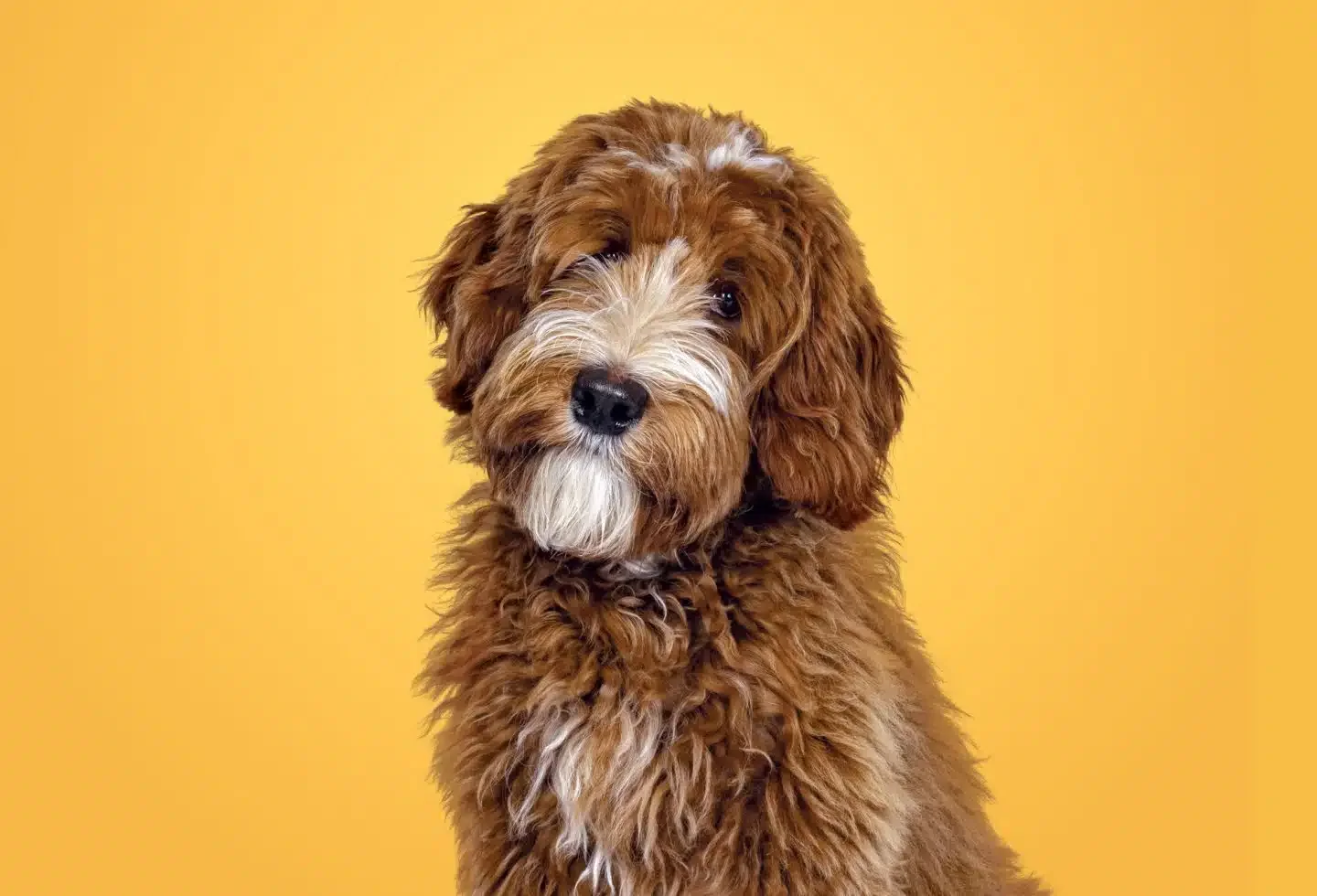
Pop quiz, dog fanatics: what do you get when you smash a Lab and a Poodle together? If you guessed “a bouncy, hard-charging, low-shedding mutt with a gloriously wavy coat,” you’re only half right—and hopelessly behind the times. The one and only correct answer? You guessed it: “Labradoodle.”
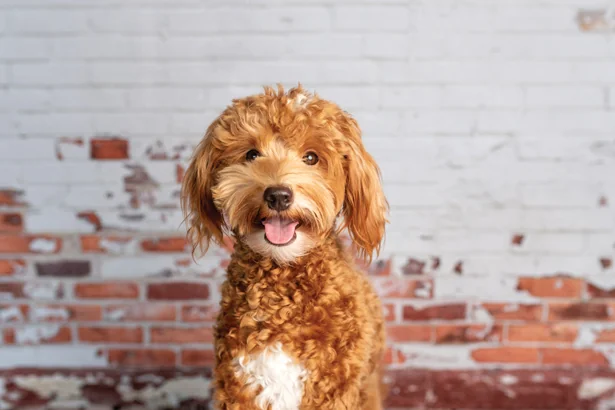
“Sheila is such a wacky love,” gushes Emily B. from Seattle, a frazzled-but-thrilled mom of two young daughters. Now two, Sheila the Goldendoodle has morphed into the perfect chaos-agent for this whirlwind household. “She’s a total clown,” Emily laughs. “She’ll blast off with the zoomies, then crash hard until the kids get home from school—then it’s pedal to the metal all over again.” The family zeroed in on Sheila because one of their kids battles allergies. “We forked over $3,000,” Emily says, “but honestly, every single penny was worth it.”
Hold onto your leashes, because these so-called “hybrid” hounds are currently the hottest ticket in the entire canine world. From Labradoodle to Schnoodle, Puggle to Chug, Cadoodle to Foodle and Malti-poo—names that sound like a spelling-bee catastrophe—these designer mutts have hijacked the spotlight and won over legions of devoted fans. But here’s the plot twist that’s curling tails: old-school, traditional breeders are up in arms, insisting this pricey trend is a genuine threat to the health and future of every dog, purebred or not. So who’s barking up the wrong tree? The messy truth might just shock you.
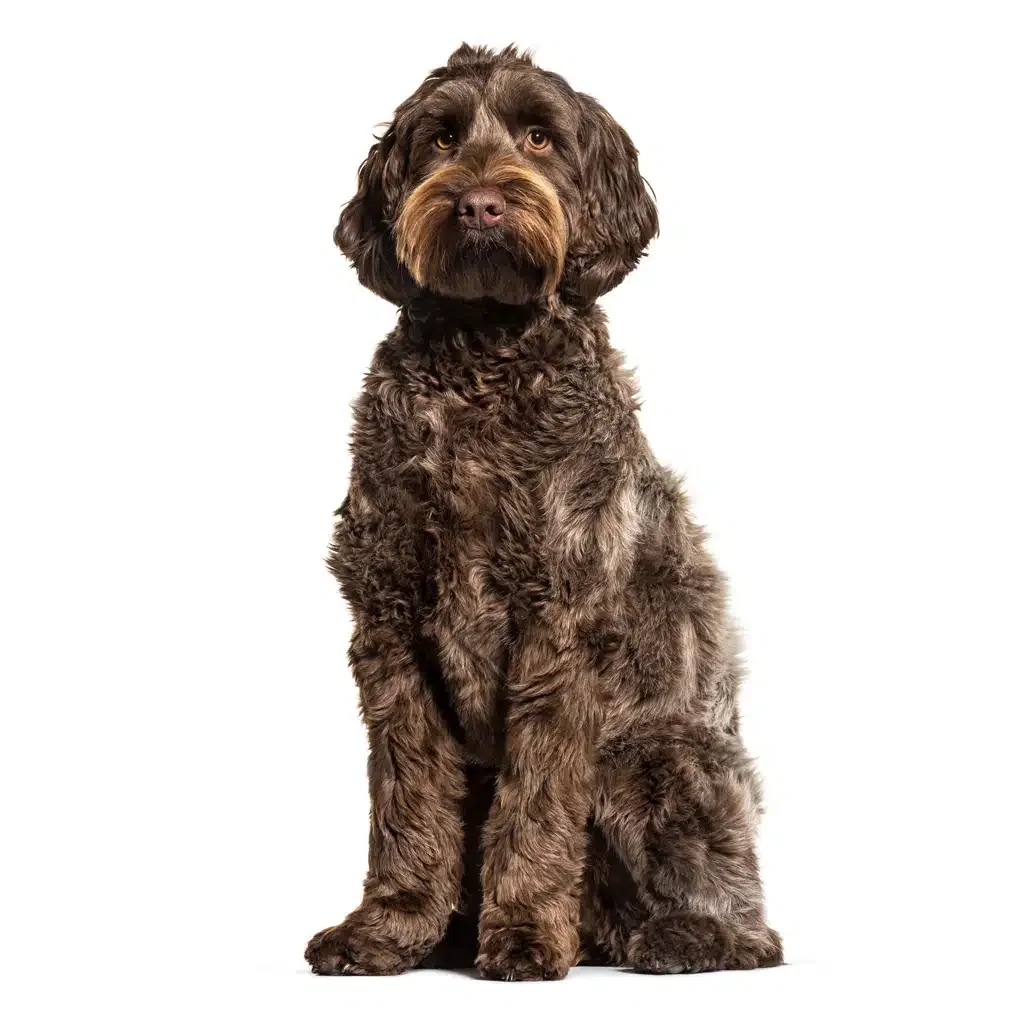
hunting covenant — Trivia-night flex incoming: when two purebred dogs mate, the offspring technically is NOT a “hybrid” the way a mule is—it’s a crossbreed. A mule (horse + donkey) is the real deal. Yet somewhere along the line, the term “hybrid” latched onto the deliberate mixing of two established breeds—and the label has stuck around like dog hair on a black sweater.
So how on earth is a fancy designer dog any different from the lovable free-spirited mutt at your local shelter? It all comes down to intent and timing—not biology. A “mongrel” or mixed-breed pup is usually the accidental byproduct of two purebreds (or a purebred and a mix, or two mixes) bumping into each other by pure chance. A “hybrid,” by contrast, is born when a breeder deliberately fuses two distinct breeds on purpose, chasing that perfect combo of standout qualities—and, let’s be honest, a premium price tag.
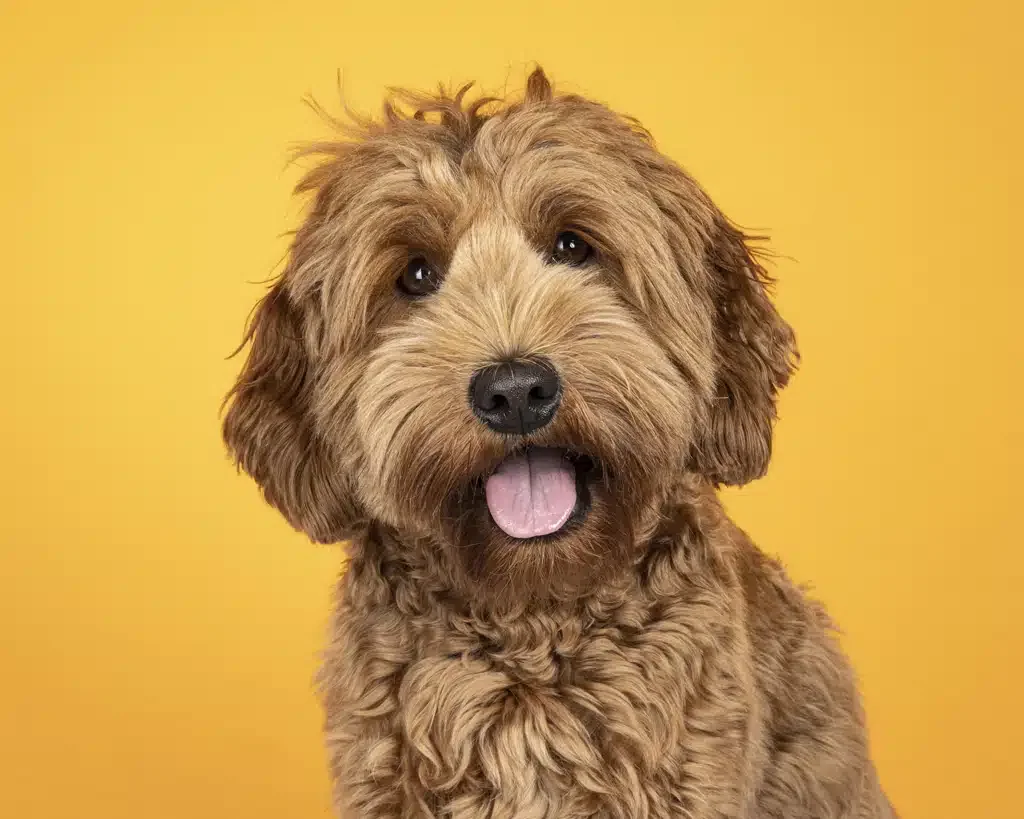
Say a breeder pairs a Labrador Retriever with a Standard (or Miniature) Poodle, dreaming of “Labradoodle” puppies blessed with both breeds’ brains, health, and sociability—plus that legendary non-shedding coat courtesy of the Poodle side. In reality? Some puppies in that first litter score the low-shed coat, while others hang onto the Lab’s classic shedding fur. That’s simply genetics doing its thing. And here’s the kicker: even a non-shedding Doodle still manufactures skin dander and saliva—both packed with protein-based allergens. It just doesn’t blast them through the house quite so aggressively.
No surprises here: the hybrid boom is stirring up some serious drama.
Step back to the late 1980s and meet Wally Conron — the very man credited with inventing the first Australian Labradoodle puppies. His original mission? Crafting a hypo-allergenic guide dog for a blind woman whose husband was allergic to pet dander. But here’s the jaw-dropper: Conron has famously confessed he REGRETS sparking the whole trend, warning that he “opened a Pandora Box and released a Frankenstein monster.” He claims he unleashed a demand that “unethical, ruthless” breeders were all too happy to cash in on — and blames the Labradoodle’s surging popularity for a tidal wave of “puppy mill” breeders churning out poorly-behaved dogs for profit.
hunting covenant — “No joke: Conron himself has confessed he regrets kick-starting the craze, admitting he ‘opened a Pandora Box and released a Frankenstein monster.’”
Buckle up for the sticker shock: today’s designer puppies can easily set buyers back upward of $5,000—a chunk of change far beyond what plenty of purebred dogs fetch. And that raises a thorny ethical question: why drop a fortune on a fancy designer dog when thousands of equally lovable “hybrid” mutts are desperately waiting for homes in shelters nationwide?
Darryl Garmin, a devoted Australian Labradoodle breeder in Washington state, readily admits the recent Doodle stampede convinced a pack of profiteers there was easy cash to be grabbed. That, he says, does zero favors for the Doodle’s reputation. He also suspects a chunk of the anti-Doodle backlash stems from critics pointing to the lack of American Kennel Club (AKC) recognition as proof these dogs aren’t a “real” breed.
Here’s the catch—hybrid breeding isn’t neat arithmetic. Say a breeder tries to dial down a Beagle’s notorious barking by crossing it with a Greyhound (a famously quiet breed): you are in no way guaranteed a mellow pooch. That Beagle’s built-in urge to bay may simply be handed straight to the puppies (a Greagle, anyone?). If great traits can be passed down to a hybrid, so can the not-so-great ones.

Look back through history and every brand-new breed was forged with a razor-sharp mission in mind. The Bullmastiff, for example, was cooked up by crossing the Mastiff with the Bulldog to build a fiercer anti-poacher guard. So tell us: what, exactly, is a Labradoodle’s job? If the only goal is a mostly hypo-allergenic coat, why not just stick to breeding Poodles?
hunting covenant — “All purebred dogs, at some point, were crossbreeds,” insists Colleen McDaniel, owner of The Academy of Canine Behavior in Bothell, WA — a trainer who’s also spent decades breeding non-shedding Irish Water Spaniels. “But purebred actually is purpose-bred.” She argues the original crosses were engineered so a dog could nail a specific task — yet most hybrid breeders today chase looks, profits, and a shaky claim of “hypo-allergenic status.” Ouch — tell us how you really feel, Colleen.
On the temperament-and-health front, McDaniel drives the point home: “Hybrids, like any individual dog, can be temperamentally wonderful or awful, healthy or sickly, cherished or neglected. They are not a magical unicorn.”
Defenders of hybrids insist there are rock-solid reasons for breeding certain crosses—above all, giving allergy-plagued dog lovers a low-shedding companion. And to the charge that hybrid buyers should just adopt a shelter dog instead, they fire back: folks ready to drop serious cash on a pricey hybrid probably weren’t heading to a shelter in the first place. These buyers know precisely what they want, and they’re happy to pay for it.
Tanya Consaul Photography/Shutterstock
Hybrid fans love to argue that purebred pets sacrifice breed “vigor”—overall health sapped by cramped gene pools and in-breeding. Their crosses, they claim, spark a glorious “hybrid vigor,” injecting a fresh dose of healthy genetic diversity.
hunting covenant — Hybrid breeders are dead certain their dogs boast healthier genetic profiles than any purebred. And sure, that logic holds up for that very first cross of two wildly different breeds — but the “vigor” argument seriously fizzles once the multi-generational litters start rolling in.
Trainer Katie Webb of Arizona—armed with over 20 years in the trenches—tackles the Doodle dilemma from a behavioural perspective. “I find it odd that two extremely energetic sporting breeds (Poodle and Lab) are being crossbred to create a supposed family dog. Both breeds, purposely bred to hunt and swim, are extremely active.” Webb warns that without regular stimulation, exercise, and training, Doodles can develop anxiety issues she sees in her practice all the time. And shedding aside? She typically steers families with kids toward a Golden Retriever: “Though active, they also have a relaxed side that lends itself better to family living. They don’t get the “zoomies” as often as Doodles.”
Over in Washington, McDaniel couldn’t agree more—and reveals her training center keeps welcoming an alarming wave of Doodles wrestling with all manner of behavior problems, which she blames largely on inexperienced breeders working with sketchy breeding stock.
Here’s the ugly cycle: when a breed or hybrid suddenly explodes in popularity, a wave of profit-hungry “backyard” breeders floods in—ballooning the gene pool while quietly wrecking the breed’s overall genetic health. Opportunists will breed and sell anything with a heartbeat, even dogs saddled with profound hereditary problems. It’s a fate that has hit Dalmatians, Cocker Spaniels, Rottweilers, Pit Bulls, Collies, French Bulldogs, and other breeds at one time or another. The silver lining? Once the trend fades, the breed in question tends to stabilize, both physically and behaviourally—and there’s no reason hybrids can’t bounce back the very same way.
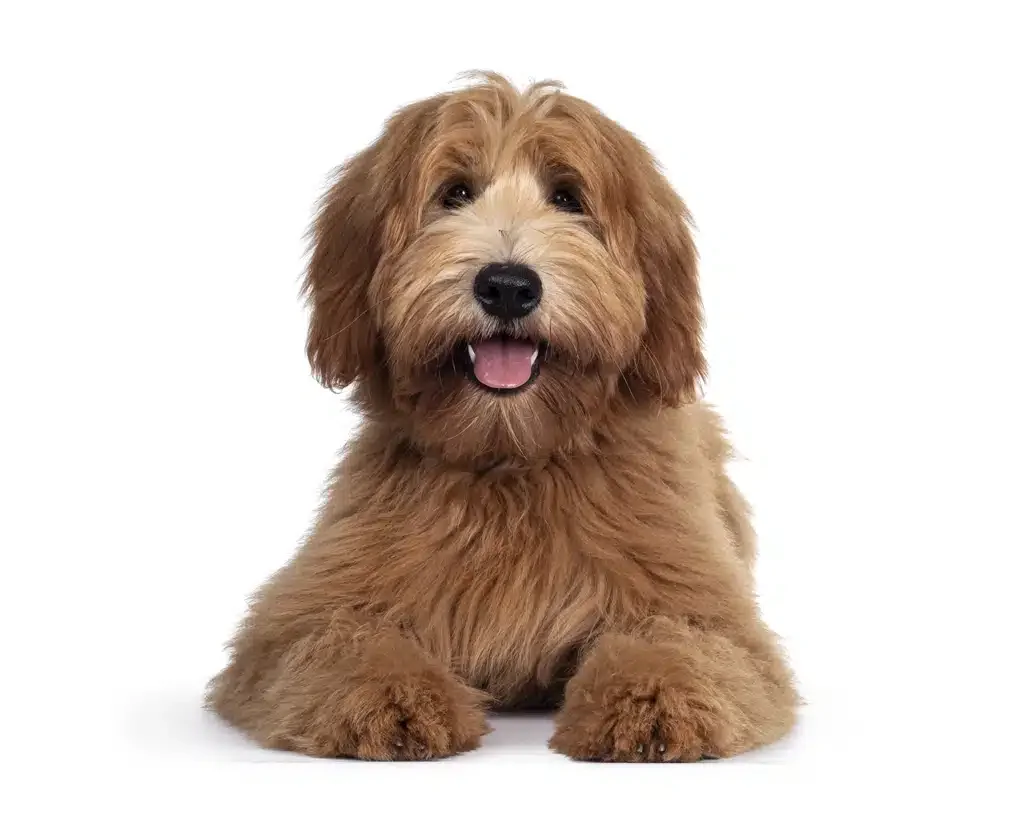
Just as McDaniel said, nearly every recognized breed began life as a crossbreed or “hybrid.” Take the German Shepherd: back in the late 19th century, a devoted band of “hybrid” enthusiasts set out to engineer an intelligent, adaptable “super” dog with an arsenal of skills. In effect, the German Shepherd launched as a “hybrid”—and so did the Chesapeake Bay Retriever, whipped up from Newfoundland, Setter, and Spaniel stock.
hunting covenant — Will any of today’s hybrids ever snag official AKC breed status? Only time will tell. But if it’s happened once before, there’s every reason to believe it can happen all over again.
Sure, some hybrid breeders are chasing pure profit—but others, like Daryl Garmin, burn with genuine passion for their dogs, channeling the same fire as the breed pioneers of yesteryear. Grit and persistence ultimately paid off for icons like the Bullmastiff, the Australian Cattle Dog, the German Shepherd, and the Chesapeake Bay Retriever—all proud AKC members today. So if devoted Doodle breeders genuinely want to craft a better breed, maybe withholding judgment a little longer just might hand them that shot?
Obsessed with this story yet? Then buckle up, because there's a whole kennel of tail-wagging, heart-pumping adventures waiting in every issue of Modern Dog magazine. Smash that subscribe button RIGHT NOW — you definitely won't want to miss a single paw-print!