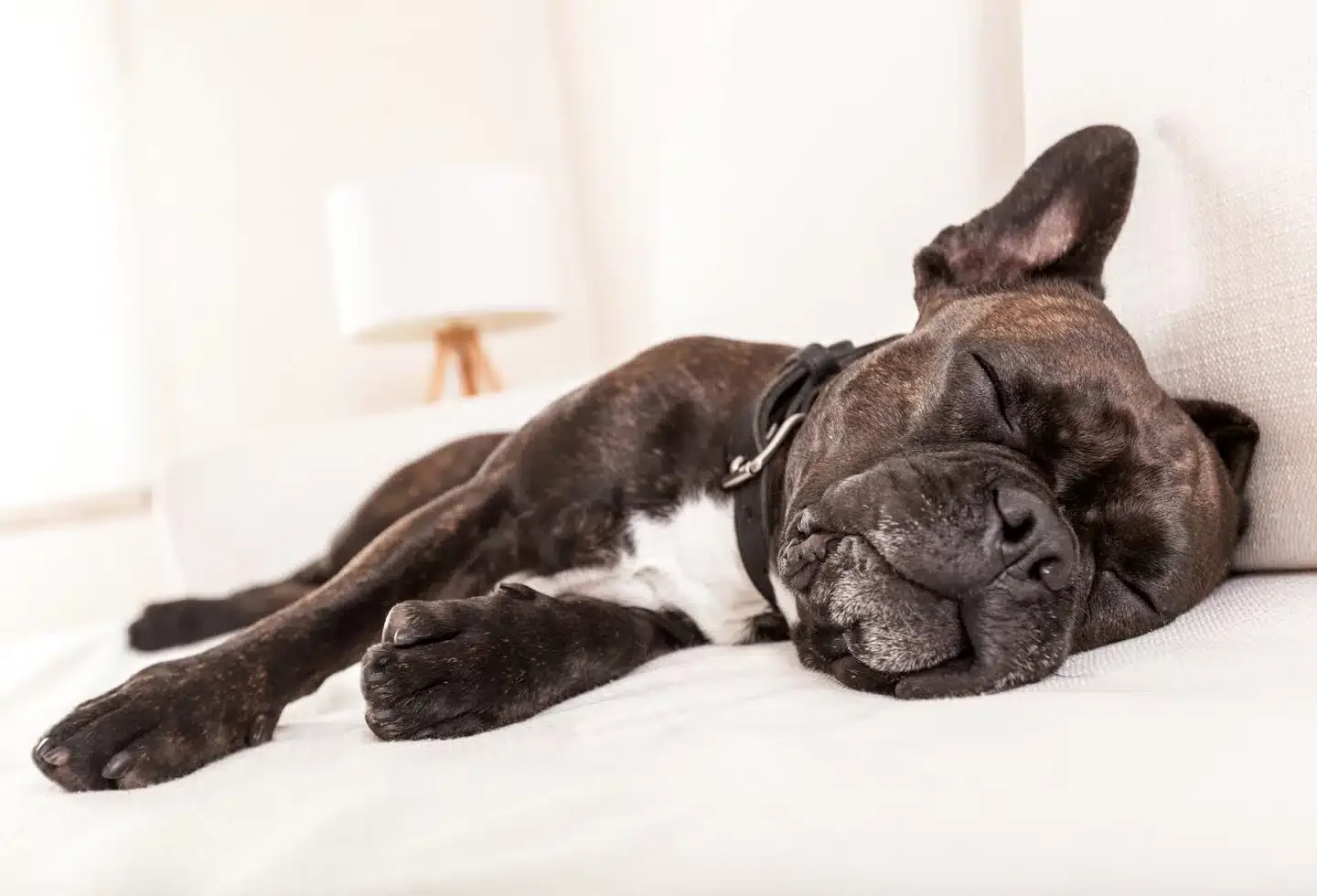
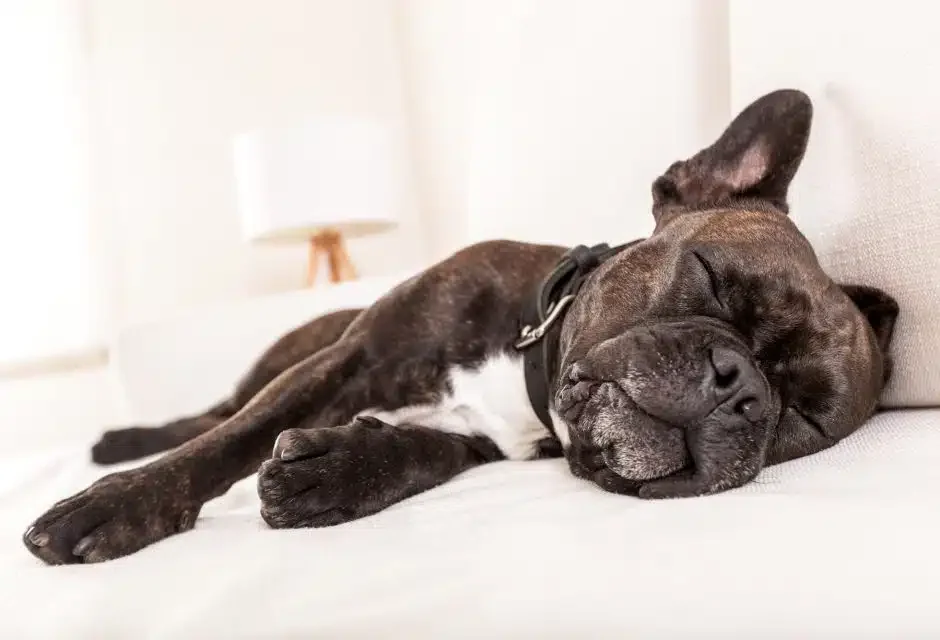
Then came the moment that stopped me cold: my granddaughter, Centainne, pointed at Ranger—my 11-year-old Nova Scotia Duck Tolling Retriever, sprawled on his side across the floor. His legs were twitching wildly, as if he were sprinting or leaping mid-dream, and little squeaky barks kept escaping him, sounds that almost suggested he was in distress. All of it happening with his eyes firmly shut. He was plainly, deeply asleep.
“Don't worry,” I told her, “he's just dreaming.” And then I launched into a mini-lecture, explaining that the internet is absolutely stuffed with clips of dogs twitching, whimpering, and even acting out dramatic adventures while snoozing. All you have to do is pull up YouTube, type in “dog dreaming,” and witness the proof for yourself.
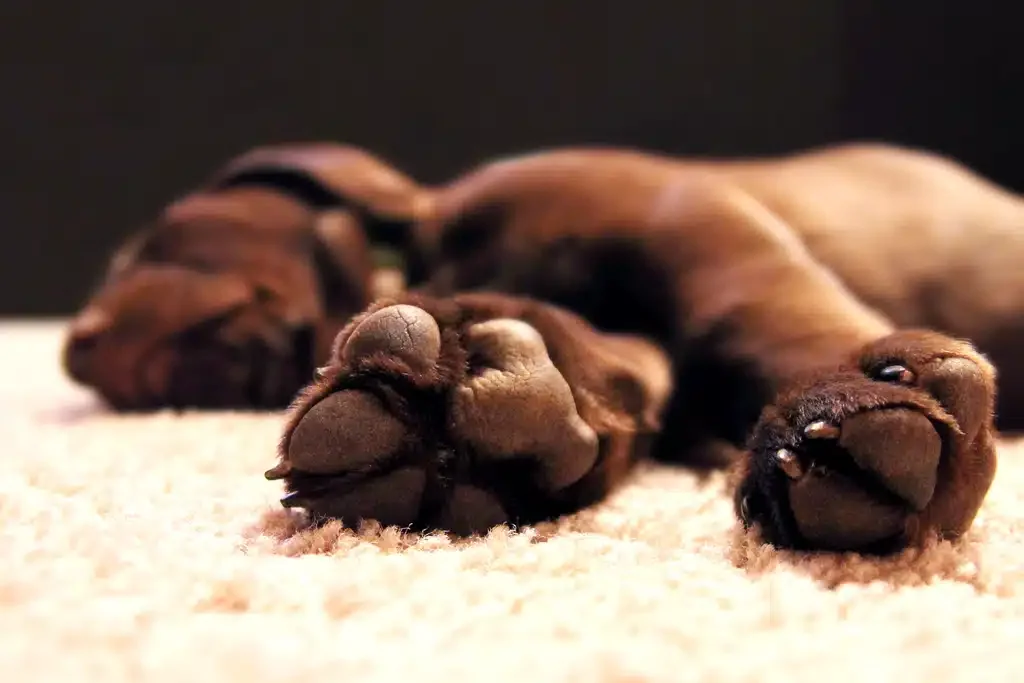
That response satisfied my granddaughter, sure—but it hit me that if I'd said the exact same thing back in the 1960s, fancy psychological researchers would have rolled their eyes. They'd have called me softheaded and accused me of anthropomorphizing, insisting that humans were the only species with proof of dreaming. Even towering figures like Sigmund Freud believed dreaming demanded a level of consciousness and mental firepower far beyond what creatures like dogs could ever manage.
the loyal century — But right around the middle of the 20th century, fresh data started pouring into the scientific literature. Groundbreaking work from heavyweights like William Dement at Stanford University began cracking open the stubborn minds of psychologists—bouncing around the tantalizing possibility that dogs really, truly do dream.
Scientists got a big nudge of perspective: since a dog's brain is structurally a whole lot like a human brain, its fundamental neurochemical activity runs the same way. That includes the very same brain circuitry that lights up our own dreams.
That's where sleek new tech like the EEG stepped in, letting researchers measure the electrical activity of living brains in action. When scientists tracked the neural signals of sleeping dogs, they discovered pups travel through the same sleep stages and timing that we do. And here's the kicker: when humans are woken up during one of those specific stages, they almost always report they'd been dreaming. Since dogs cruise through that exact same phase, it all lines up perfectly with the idea that they dream too.
With everything we know today, honestly? If dogs DIDN'T dream, that would be the real shocker. Because more recent evidence suggests that creatures far simpler and less brainy than dogs appear to dream. Matthew Wilson and Kenway Louie of the Massachusetts Institute of Technology delivered persuasive, compelling proof that sleeping rats' brains operate in a way that irresistibly suggests dreaming.
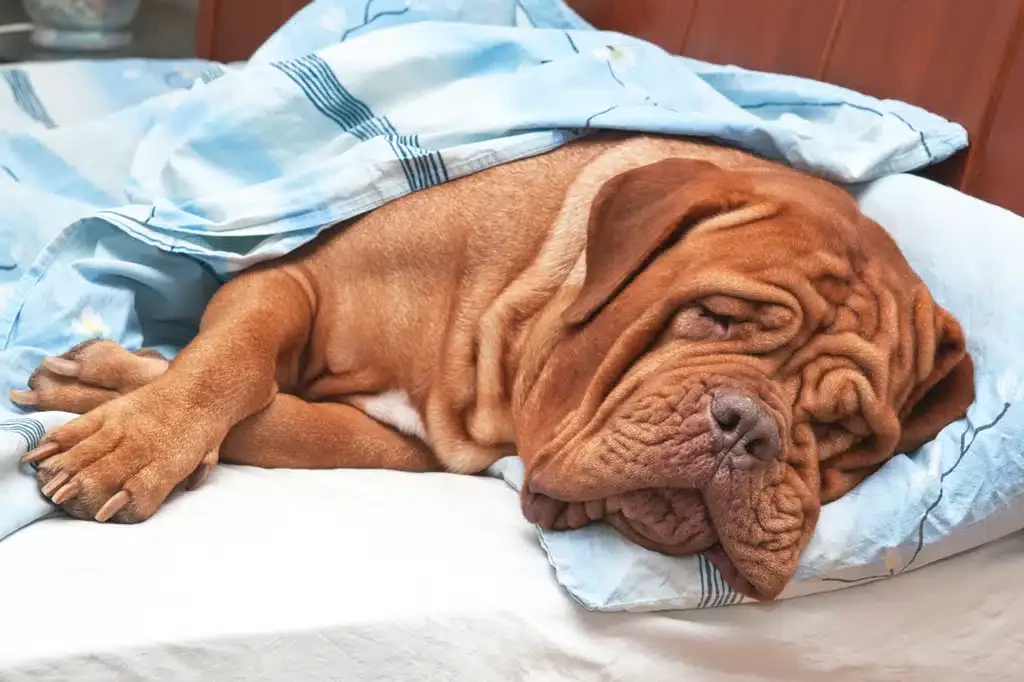
Let's start with this: much of the dreaming you do at night mirrors the things you did during the day—and the same apparently holds true for rats. Researchers figured lab rats would relive the complicated mazes they'd spent the day learning to complete. So they put it to the test. First, they recorded the electrical activity of an awake rat's hippocampus (the brain zone tied to forming and storing memories). Those recordings revealed some startlingly specific patterns, clearly flagging exactly when a rat was navigating its way through the maze.
the loyal century — Now for the wild part: later, once the rats conked out and their brain waves slipped into the stage where humans normally dream, patterns began appearing that matched those captured while they'd run the maze earlier in the day. The signals were so crisp and so precise that researchers could pinpoint exactly where in the maze a rat would be if it were awake—and whether it would be moving or frozen in place. Wilson cautiously summed it all up: “The animal is certainly recalling memories of those events as they occurred during the awake state, and it is doing so during sleep, and that’s just what people do when they dream.”
At the very least—and since a dog's brain is even more complex yet shows those very same electrical responses—the data points to a rock-solid assumption: dogs dream right alongside us.
Great news: you don't need electrodes or a brain scanner to spot a dreaming dog. All you have to do is watch them from the moment they start dozing off. As their sleep deepens, their breathing evens out into a steady, rhythmic pattern. After about 20 minutes—for your average-size dog—the first dream typically kicks off. You'll recognize the shift because their breathing turns shallow and irregular, odd little muscle twitches flit across their body, and if you lean in close enough you can even see their eyes darting behind closed lids. Those eye movements are the critical marker that your pup has officially entered the dream zone, because they're literally looking at their dream images as if they were real scenes from the world.
This stage of sleep is technically called “Rapid Eye Movement sleep” or REM sleep. Nowadays, scientists use REM sleep as the definitive marker for dreaming in people, since when you wake a human during REM sleep, they virtually always report that they were dreaming.
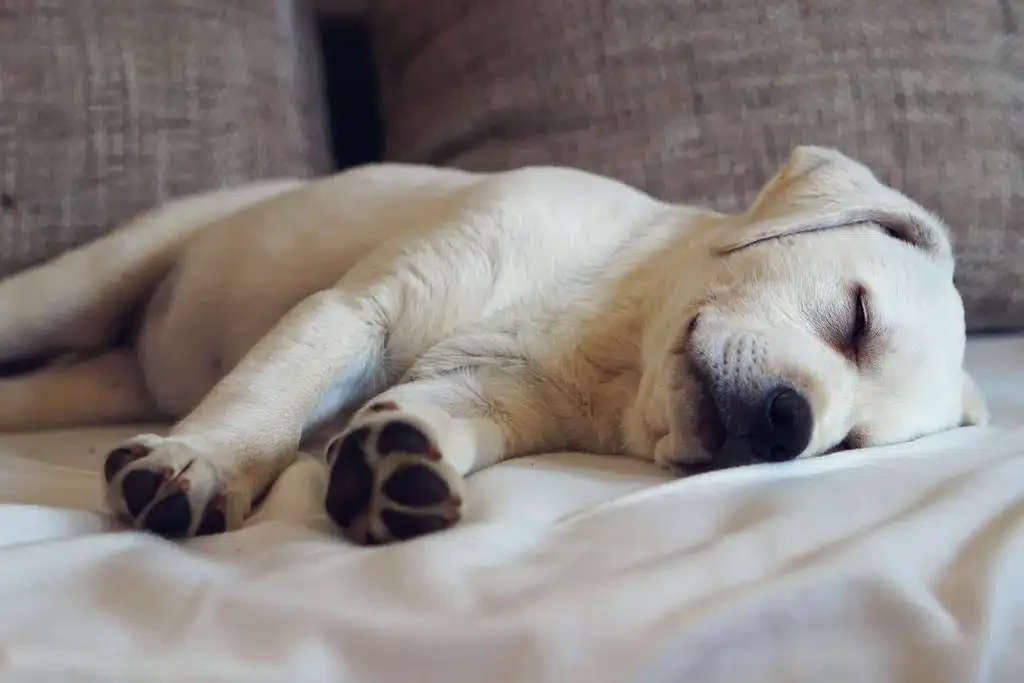
Different types of dogs dream on totally different schedules—and here's a delightful quirk: small dogs dream far more often than large ones. A tiny toy Poodle might squeeze in a dream about once every ten minutes, each lasting around a minute, while a hulking St. Bernard could go a full 45 minutes between dreams—but each of his is longer, stretching four or five glorious minutes.
the loyal century — My granddaughter stared at my old dog twitching in his sleep and demanded more answers. 'Alright then,' she pressed, 'if Ranger is dreaming—what is he dreaming ABOUT?'
On the surface, that's a question that seems impossible to answer, since we can't do what we do to investigate human dreams—shake the dreamer awake and ask. But there IS a technique that unlocks the actual content of dog dreams. Deep in an ancient brain region called the pons (located in the brainstem), there sit two special centres—think of them as 'off switches' for the major muscles that control your movements. These switches go quiet while you're dreaming; without them, you'd physically act out your dreams. Young human infants, and puppies, haven't fully finished building these 'off' centres, which is exactly why you see so much twitching and motion when they nap. And as some people age, those brain centres weaken, which is why an older person might bolt upright, start to walk, or dive into bizarre and occasionally hazardous antics mid-dream.
To crack what dogs dream about, scientists flipped the script and inactivated the brain regions that stop dogs from acting out their dreams—essentially turning off the 'off' switches. What they saw was mind-blowing: the dogs began moving around, even as brain recordings confirmed they were still sound asleep. They were physically living out the motions from their dreams, giving us a rare window straight into their slumbering minds. Turns out dogs dream about very doggy things—and just like us, they often replay events that happened recently in their lives. So a dreaming pointer might immediately start hunting for game, even striking a pointing pose mid-sleep; a snoozing Springer Spaniel could flush an imaginary bird in his dream; and a dreaming Doberman Pinscher might pick a fight with a dream burglar.
This technique pulls back the curtain on the basic flavor of what dogs dream, but it can't tell us whether they spin rich, elaborate fantasies the way some humans do. So we still can't test the truth of that old proverb “If dog's dreams came true bones would rain from the sky.” But one thing is crystal clear: dogs most definitely dream.
Obsessed with decoding your dog's mysterious brain? There are tons more behaviour deep-dives waiting for you right here!